Analyzing How Software Algorithms Influence Game Sequencing Patterns in Remote Wagering Environments

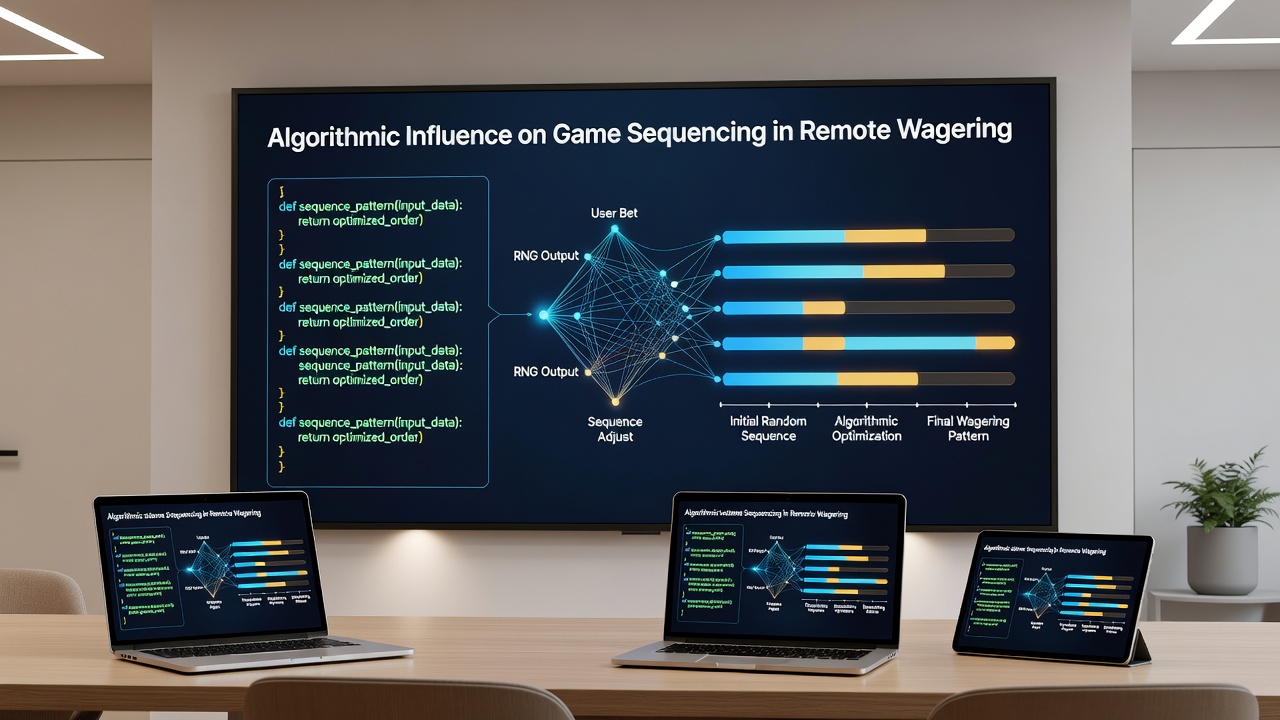
Remote wagering environments rely on sophisticated software algorithms to determine game sequencing patterns, and these systems process thousands of outcomes per second across slots, table games, and live dealer interfaces while maintaining regulatory compliance standards set by oversight bodies in multiple jurisdictions. The core mechanism involves pseudorandom number generators, or PRNGs, which use mathematical formulas seeded with initial values derived from system clocks or hardware entropy sources to produce sequences that dictate reel positions, card distributions, and bonus triggers without repeating in predictable cycles.
Core Components of Algorithmic Sequencing
Developers implement algorithms such as Mersenne Twister or more advanced cryptographic variants to generate number streams, and these streams map directly to game elements like symbol placements on virtual reels or shuffled deck orders in card simulations. In June 2026, updated testing protocols from the Nevada Gaming Control Board continue to require that PRNG outputs pass statistical suites including chi-square tests and serial correlation analyses before platforms receive operational approval, ensuring that sequences exhibit uniform distribution across the full range of possible results.
Sequencing patterns emerge from the way algorithms handle timing calls, where each spin or deal initiates a fresh extraction from the number stream, and this process prevents clustering that might otherwise favor certain outcomes over extended play periods. Observers note that multi-threaded server architectures allow simultaneous game instances to draw from shared or partitioned RNG pools, which influences how patterns manifest across player sessions in high-volume environments.
Impact on Slot and Table Game Mechanics
Slot games depend on algorithms that assign reel stops based on weighted probability tables, and these tables interact with the RNG to control hit frequencies for wins, scatters, and feature activations while adhering to published return-to-player percentages verified through independent audits. Table game implementations, by contrast, apply shuffling algorithms modeled after physical randomization techniques, such as the Fisher-Yates method adapted for digital decks, which rearrange card sequences in ways that eliminate any residual order from previous hands.
Those who study these systems point out that virtual table games often incorporate additional layers like cut-card simulations or burn-card procedures executed through code branches, and these steps further shape the sequencing visible to participants in remote sessions. Data from platform telemetry shows that peak-hour loads can introduce micro-variations in call timing, though certified RNGs remain insulated from such fluctuations through buffering mechanisms that preserve statistical integrity.
Regulatory Testing and Certification Processes
Certification laboratories evaluate algorithmic outputs against benchmarks established by authorities including the Victorian Commission for Gambling and Liquor Regulation in Australia, which mandates periodic re-testing after any software updates that alter sequencing logic. Auditors examine millions of generated numbers for bias, and they verify that no discernible patterns emerge when sequences are analyzed over long durations or across concurrent player streams.
According to reports issued by the Malta Gaming Authority, approved platforms must demonstrate that their RNG implementations resist reverse-engineering attempts and maintain entropy levels sufficient to thwart prediction models, a requirement that has driven adoption of hardware random number generators in some data centers since early 2025. These standards apply equally to mobile and desktop interfaces, ensuring consistent sequencing behavior regardless of access method.
Interactions Between Algorithms and Platform Infrastructure
Server-side processing queues handle incoming player actions, and algorithms respond by advancing the RNG state in real time while logging each extraction for compliance records that regulators may review during audits. Network latency occasionally affects perceived sequencing when results arrive after multiple client requests, yet the underlying pattern generation remains governed solely by the server-side implementation rather than client inputs.
Research indicates that load-balancing systems distribute game instances across server clusters, and each cluster may maintain independent RNG instances that reseed at scheduled intervals to refresh entropy sources. This architecture reduces the risk of systemic pattern repetition while allowing operators to scale capacity during high-traffic periods without compromising the randomness properties certified at launch.
Future Developments in Algorithmic Design
Advances in quantum-resistant cryptographic RNGs are under evaluation by several testing bodies as of mid-2026, and these newer approaches aim to maintain sequencing unpredictability even against emerging computational threats. Integration with blockchain-based verification layers allows independent parties to confirm that published game histories align with the certified algorithmic outputs without exposing proprietary seed values.
Platform operators continue to refine mapping functions that translate raw RNG values into game-specific outcomes, and these refinements focus on achieving tighter adherence to theoretical probability distributions across diverse game libraries. External reviews from academic institutions have examined how such refinements affect long-term sequencing stability in production environments.
Conclusion
Software algorithms determine game sequencing patterns in remote wagering environments through PRNG-driven number generation, weighted mapping tables, and certified shuffling procedures that meet jurisdictional testing requirements. Regulatory frameworks in regions such as Nevada and Victoria enforce ongoing validation, while infrastructure choices like server clustering and entropy management support consistent performance at scale. These technical elements collectively shape the distribution and timing of outcomes delivered to participants across digital platforms.