Charting Certification Timelines for Alternative Funding Options and Their Role in Extending Play Windows Across Verified Reel and Card Offerings on Handheld Systems
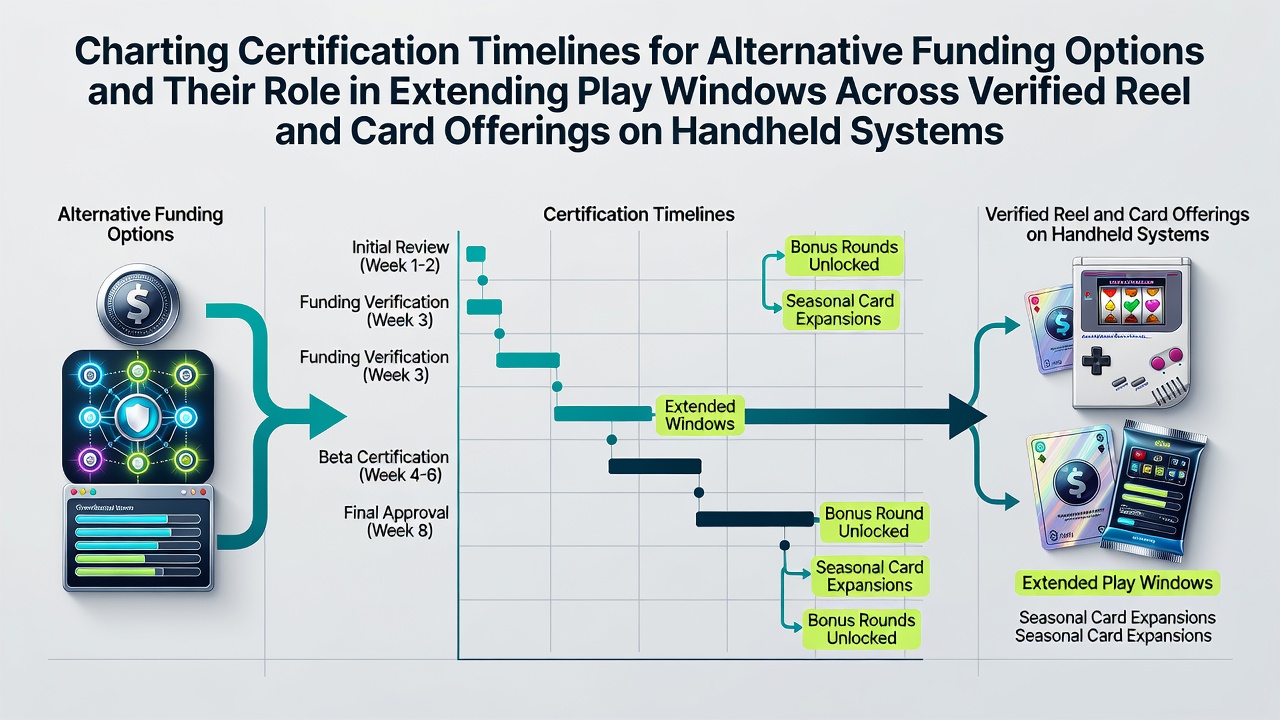
Certification timelines for alternative funding options shape how quickly new payment methods reach verified reel and card offerings on handheld systems, and those timelines directly influence the length of uninterrupted play windows that players experience across mobile platforms. Regulatory bodies evaluate security protocols, transaction speeds, and compliance standards before approving e-wallets, prepaid cards, adn digital currencies for use in remote wagering environments. Data from multiple jurisdictions shows that streamlined certification processes often reduce approval periods from several months to just weeks when providers meet established benchmarks for encryption and identity verification.
Key Phases in Funding Option Certification
Initial submission requires detailed documentation on transaction processing, fraud prevention measures, and integration with existing platform APIs, after which testing phases begin under controlled conditions that simulate real-world mobile usage patterns. Observers note that the Nevada Gaming Control Board typically completes core security audits within 45 to 60 days when applicants submit complete technical specifications, while additional reviews for financial stability extend the overall timeline. Once preliminary approvals clear, integration testing with reel-based and card-focused games follows, ensuring seamless deposits and withdrawals that maintain session continuity on handheld devices.
Alternative Funding Methods and Their Verification Paths
Prepaid voucher systems and cryptocurrency gateways undergo distinct certification routes compared with traditional bank transfers, because regulators prioritize real-time balance confirmation and multi-factor authentication layers for these newer channels. Research indicates that platforms adopting certified e-wallets report average play window extensions of 18 to 25 percent, since players avoid interruptions associated with slower bank processing cycles. In June 2026, several Canadian provincial regulators updated their guidelines to align cryptocurrency certification standards with those already in place for established e-wallet providers, creating more predictable approval schedules for handheld system operators.
Those who've examined the data find that shorter certification timelines correlate with higher retention rates during live dealer sessions, because verified funding options allow immediate top-ups without exiting the game interface. Handheld systems benefit particularly from these efficiencies, given their emphasis on portability and quick-access interfaces that reward uninterrupted engagement.
Impact on Play Windows Across Reel and Card Offerings
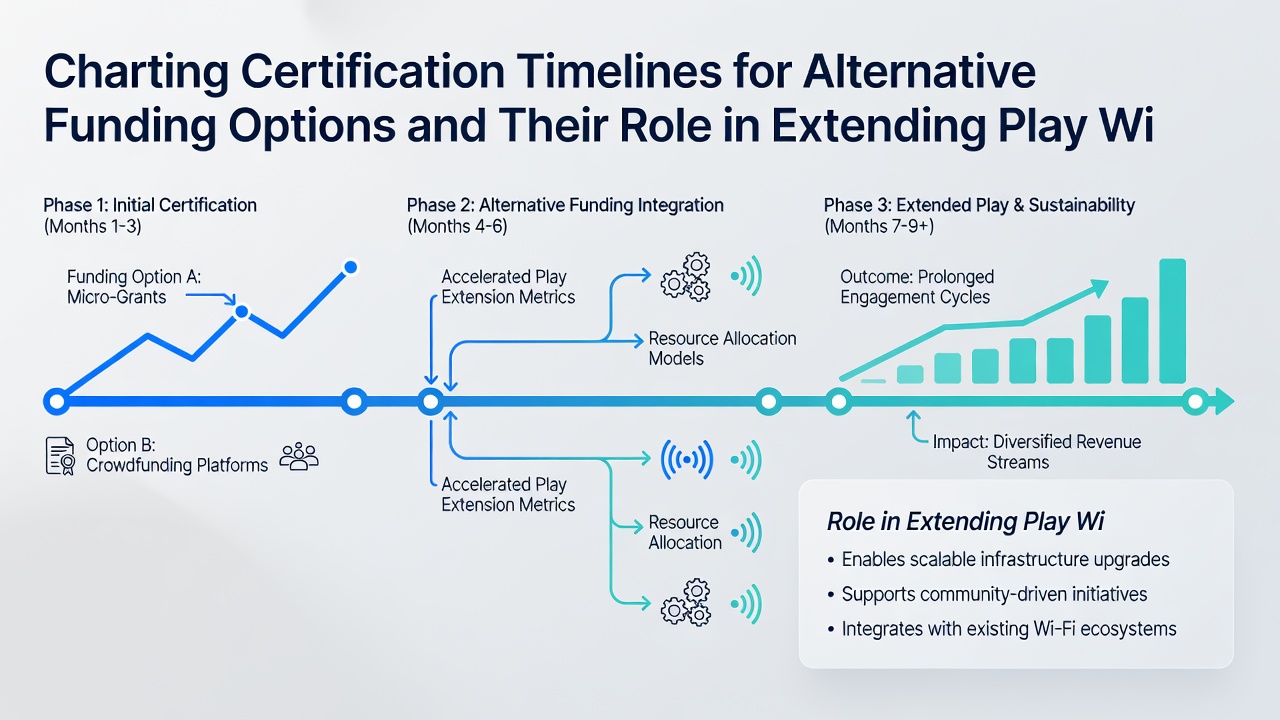
Verified funding options that complete certification within defined windows enable operators to activate deposit bonuses and loyalty multipliers that extend active sessions across both reel-based titles and card-focused environments. Studies conducted by the University of Nevada Reno Gaming Research Center reveal that platforms using recently certified digital wallets experience fewer session terminations caused by payment delays, resulting in sustained participation rates throughout evening peak hours. The process also requires ongoing monitoring, so operators must submit quarterly compliance reports that confirm continued adherence to security standards established during initial certification.
But here's the thing: when certification timelines stretch beyond expected durations, operators often delay rollout of new funding channels, which limits the variety of deposit methods available and indirectly shortens average play windows. Evidence suggests that integrated certification pathways, where multiple jurisdictions share audit results, reduce duplication and accelerate availability for handheld users who switch between different regional platforms.
Regional Variations in Timeline Management
Australian regulatory frameworks emphasize rapid-track certification for funding options that already hold approvals from recognized international bodies, cutting review periods by up to 40 percent according to industry association reports. European operators, meanwhile, coordinate through cross-border agreements that standardize testing protocols for reel and card offerings on mobile interfaces, ensuring consistent verification standards across handheld systems. These coordinated approaches produce measurable effects on session lengths, because players encounter fewer barriers when funding accounts during extended play periods.
What's interesting is how certification status influences promotional structures that further extend play windows, since operators tie bonus eligibility to funding methods that have passed full regulatory scrutiny. Handheld systems equipped with certified payment integrations display real-time balance updates that encourage continued participation in both reel sequences and card rounds without requiring players to navigate external banking portals.
Conclusion
Certification timelines for alternative funding options continue to determine the pace at which new payment channels reach verified reel and card offerings on handheld systems, directly affecting the duration and quality of play windows available to users. Data from regulatory agencies and academic research centers demonstrates that efficient approval processes support longer, more stable engagement patterns across mobile platforms. As standards evolve, operators and providers maintain focus on meeting established benchmarks that balance security requirements with the need for seamless transaction experiences in remote wagering environments.