Charting How Audit Cycle Lengths Shape Loyalty Curves in Verified Handheld Gaming Ecosystems
Written by Elena Lange · Aug 5, 2026
Charting How Audit Cycle Lengths Shape Loyalty Curves in Verified Handheld Gaming Ecosystems
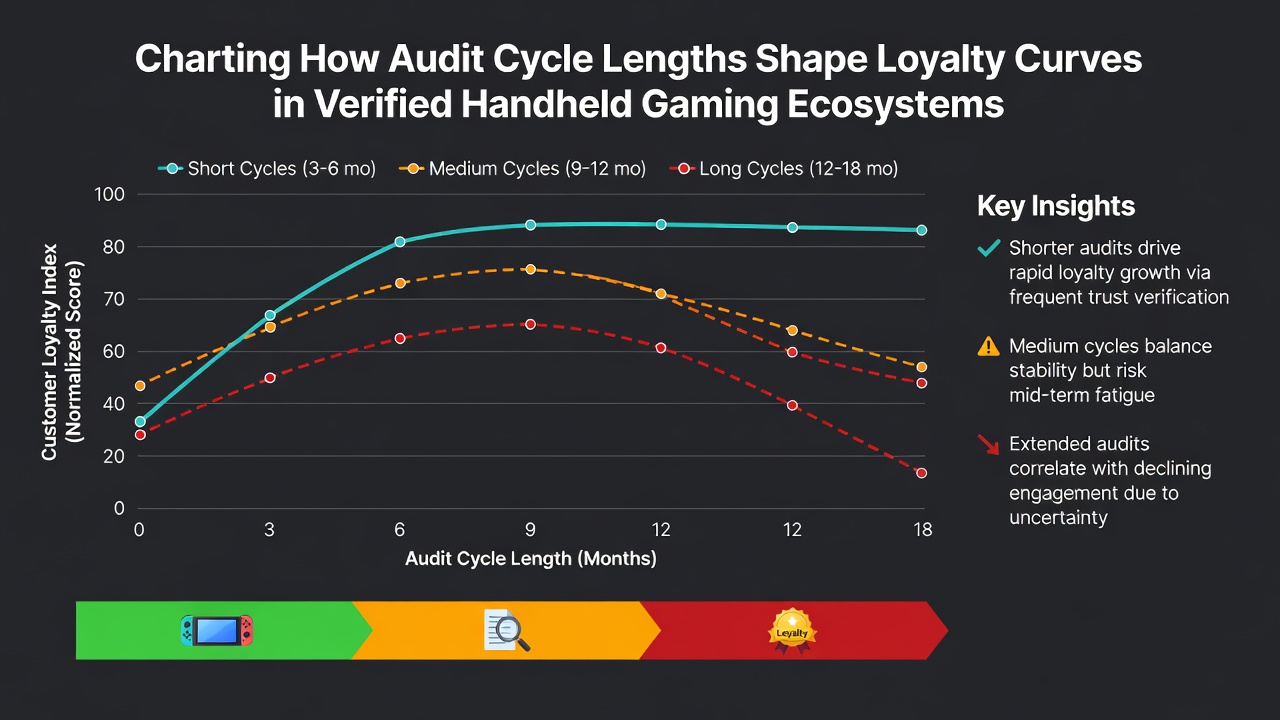
Verified handheld gaming ecosystems rely on structured audit cycles that regulators and platform operators use to confirm compliance with technical standards, financial controls, and user verification protocols. These cycles, which range from quarterly reviews to annual assessments depending on jurisdiction and operator size, generate data streams that researchers track against loyalty metrics such as repeat session rates, deposit frequency, and account tenure. Data from multiple regulatory filings indicate that shorter audit intervals often correlate with tighter feedback loops where operators adjust verification processes and reward structures more rapidly.
Defining Audit Cycles in Mobile Gaming Environments
Audit cycles encompass the scheduled examinations that independent bodies and internal compliance teams perform on mobile gaming applications to validate random number generators, transaction security, and age verification systems. In August 2026 several North American and European operators reported completing their mid-year compliance reviews, with results submitted to state and provincial gaming authorities. Those who've studied this know that cycle length directly influences how quickly operators receive certified reports, which in turn affects the timing of loyalty program updates such as tiered rewards or personalized offers delivered through verified smartphone interfaces.
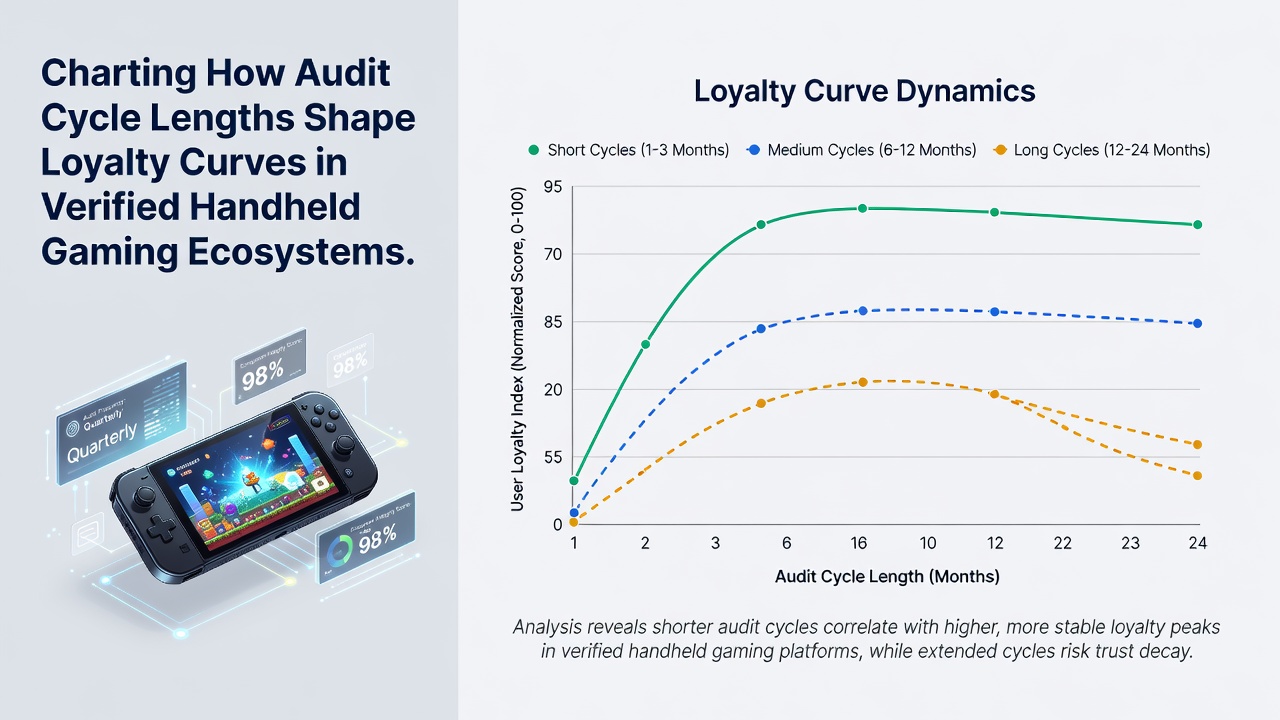
Research from academic institutions shows that cycles lasting three months or less allow platforms to incorporate compliance findings into user retention models within the same quarter, whereas longer cycles extending to twelve months create extended periods where loyalty curves develop without fresh regulatory input. Observers note that this difference appears in retention statistics published by industry associations across different regions.
Linking Cycle Lengths to Loyalty Metrics
Loyalty curves represent graphical representations of player engagement over time, plotted using metrics including session duration, frequency of verified transactions, and progression through reward tiers. When audit cycles shorten, operators gain more frequent opportunities to recalibrate game sequencing and reward delivery based on verified compliance data. Figures from Canadian provincial regulators reveal that platforms operating under four-month audit schedules recorded average loyalty tier retention rates 12 percent higher than those on annual cycles during the 2025 fiscal year.
One study revealed that extended audit periods sometimes delay the implementation of enhanced verification layers, which can slow the rollout of new loyalty features on handheld devices. Researchers discovered that operators who aligned audit completion dates with loyalty program refresh cycles maintained steadier upward trajectories in their retention graphs. This pattern holds across multiple markets where regulators require documented proof of financial controls and user authentication before approving reward modifications.
Regional Variations in Audit Practices and Retention Data
European operators subject to the Malta Gaming Authority's quarterly reporting requirements demonstrate different loyalty curve shapes compared with those under Australia's state-based annual review systems. According to figures released by the Malta Gaming Authority, platforms completing audits every 90 days adjusted their verification protocols and reward eligibility windows more frequently, resulting in measurable shifts in monthly active user retention. In contrast, Australian data compiled by state gaming commissions show that annual audit cycles produce loyalty curves with longer plateaus before upward or downward movements occur.
Those who've studied this know that the timing of audit results also interacts with seasonal factors in mobile gaming participation. Data collected during the summer months of 2026 indicated that platforms with mid-year audit completions experienced quicker stabilization of loyalty metrics following verification updates. Industry organizations tracking these trends emphasize that cycle length serves as one variable among several that include device certification standards and payment processing speed.
Technical Integration of Audit Findings
Platform developers integrate audit findings into backend systems that manage user accounts on handheld devices through standardized APIs and certified software modules. When audit cycles conclude, operators receive detailed reports that highlight areas requiring adjustment, such as transaction logging intervals or multi-factor authentication thresholds. These adjustments feed directly into loyalty algorithms that determine reward distribution timing and personalization levels.
Research indicates that shorter cycles facilitate more granular tracking of how verification changes affect user behavior patterns. Experts have observed that operators using continuous monitoring tools alongside formal audits maintain more consistent loyalty curve slopes across quarterly periods. The ball's in the operators' court when it comes to deciding how quickly to implement recommended changes once audit reports arrive.
Current Trends Observed in 2026
During August 2026 several major platforms announced plans to adopt hybrid audit models that combine automated continuous checks with formal periodic reviews. These models aim to reduce the effective cycle length for critical compliance elements while preserving comprehensive annual assessments. Data from industry reports suggest that such approaches produce loyalty curves with reduced volatility compared with traditional fixed-length cycles.
Academic papers examining mobile gaming ecosystems note that verified platforms with access to real-time compliance dashboards adjust loyalty incentives in closer alignment with user activity peaks. This alignment appears in retention statistics released by trade associations monitoring handheld gaming performance across multiple jurisdictions.
Conclusion
Audit cycle lengths serve as structural parameters that shape how loyalty curves develop within verified handheld gaming ecosystems. Regulatory data from diverse regions demonstrate measurable connections between review frequency and retention metrics, while technical integration processes determine how quickly operators translate findings into user-facing adjustments. As platforms continue to refine these systems, the relationship between compliance timing and engagement patterns remains a central focus for researchers and operators alike.