Exploring Synchronization Protocols Between Third-Party Auditors and Operator Databases for Reel Outcome Verification in Portable Environments

Operators in portable gaming environments rely on third-party auditors to confirm reel outcomes through synchronized database connections that transmit results in real time across mobile networks, and these protocols address latency issues while maintaining data integrity during high-volume sessions that occur on handheld devices. Research from regulatory bodies indicates that such synchronization reduces discrepancies between operator logs and independent verification records by aligning timestamps and hash values at each spin or round completion.
Core Components of Synchronization Protocols
Protocols typically begin with API endpoints that operators expose to approved auditors, allowing secure queries that pull reel sequence data without exposing full player profiles, while encryption layers protect transmissions over public Wi-Fi and cellular connections. Data shows that systems using mutual authentication certificates prevent unauthorized access during these exchanges, and observers note that this approach has become standard in jurisdictions where mobile play volumes increased steadily through 2025.
Database schemas on both sides incorporate fields for outcome hashes, seed values, and device identifiers so auditors can reconstruct sequences independently when discrepancies arise. Experts at organizations such as the Alcohol and Gaming Commission of Ontario have documented how these shared structures support cross-checks that occur within milliseconds of each reel stop, reducing the window for potential tampering in portable settings.
Handling Portable Environment Challenges
Mobile networks introduce variable latency and intermittent connectivity that can interrupt sync cycles, yet protocol designs incorporate retry mechanisms and local caching that queue verification packets until stable connections return. Figures from industry reports reveal that operators using adaptive buffering report fewer audit flags during peak usage periods on smartphones and tablets compared with earlier fixed-line only systems.
Device diversity adds another layer, since operating system updates and hardware variations affect timestamp precision, and synchronization tools now include calibration routines that normalize clock drifts across Android and iOS platforms. Those who've studied these patterns observe that calibration steps performed at session start maintain alignment accuracy within acceptable regulatory tolerances throughout extended play windows.
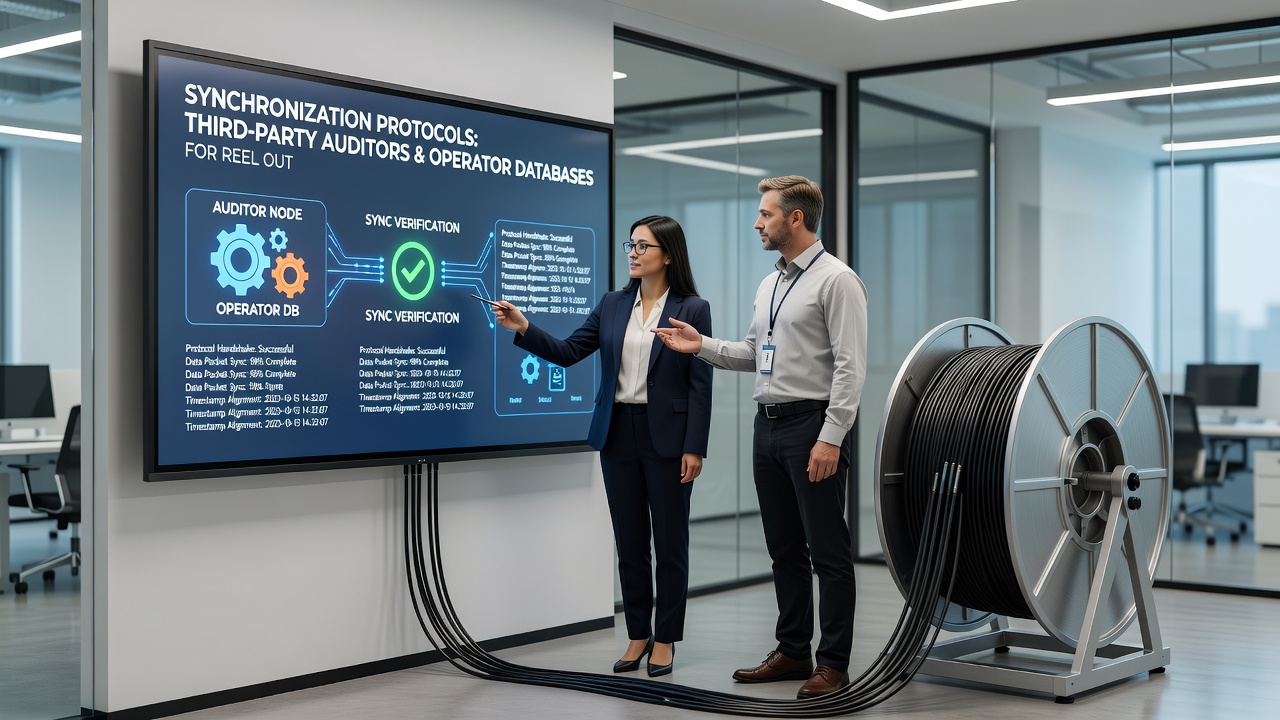
Regulatory Developments in Mid-2026
By July 2026 several North American and European regulators had updated technical standards requiring auditors to maintain continuous sync sessions rather than periodic batch uploads, a shift that followed documented cases where delayed verification allowed outcome disputes to persist longer than necessary. The International Association of Gaming Regulators published guidance that month outlining minimum payload sizes and acknowledgment timeouts that operators must support when connecting to external audit platforms.
These updates also addressed edge cases such as background app refreshes and network handoffs between cell towers, requiring protocols to preserve sequence continuity even when a device switches between 5G and Wi-Fi mid-session. Data collected across multiple jurisdictions shows compliance rates rising after operators integrated the new acknowledgment standards into their mobile application stacks.
Technical Implementation Examples
One documented implementation uses RESTful endpoints with JSON Web Tokens that rotate every few minutes, ensuring that each reel outcome packet carries fresh credentials while auditors log receipt times on their independent servers. Researchers at institutions examining gaming systems have noted that this token rotation limits exposure windows if a session token becomes compromised during transmission over public networks.
Another approach employs message queues that decouple the operator database writes from auditor reads, allowing verification processes to continue even if one side experiences brief outages. Reports indicate that queue-based systems have lowered the incidence of unresolved verification queries in high-traffic mobile environments where thousands of simultaneous reel spins occur each minute.
Conclusion
Synchronization protocols continue to evolve as portable gaming expands, with ongoing work focused on reducing verification latency while preserving the separation between operator and auditor systems. Regulatory updates scheduled for later in 2026 are expected to build on the July framework by specifying additional metrics for connection reliability and data completeness. Observers tracking these developments report that standardized interfaces now allow auditors to serve multiple operators across different regions without custom integrations for each platform.