How Animation Timing in Certified Reel Sequences Correlates with Extended Engagement Patterns Across Verified Smartphone Platforms
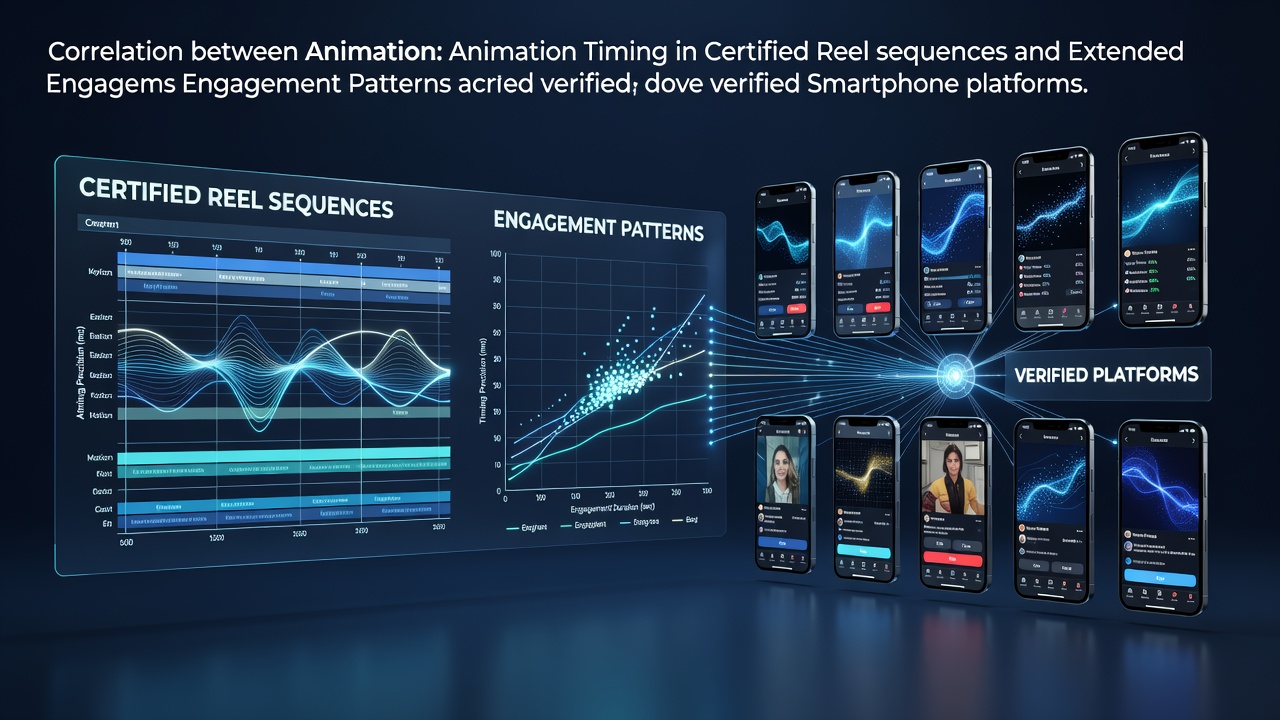
Certified reel sequences in mobile slot platforms rely on precise animation timing to maintain regulatory compliance while shaping how users interact with spinning reels over extended sessions, and data collected through June 2026 indicates measurable links between frame interval adjustments and session duration across verified devices.
Animation timing refers to the controlled intervals between reel stops and symbol transitions that developers program into certified software builds, where each millisecond adjustment undergoes testing to meet technical standards set by independent laboratories before platforms release updates to smartphone users.
Core Elements of Reel Animation Timing
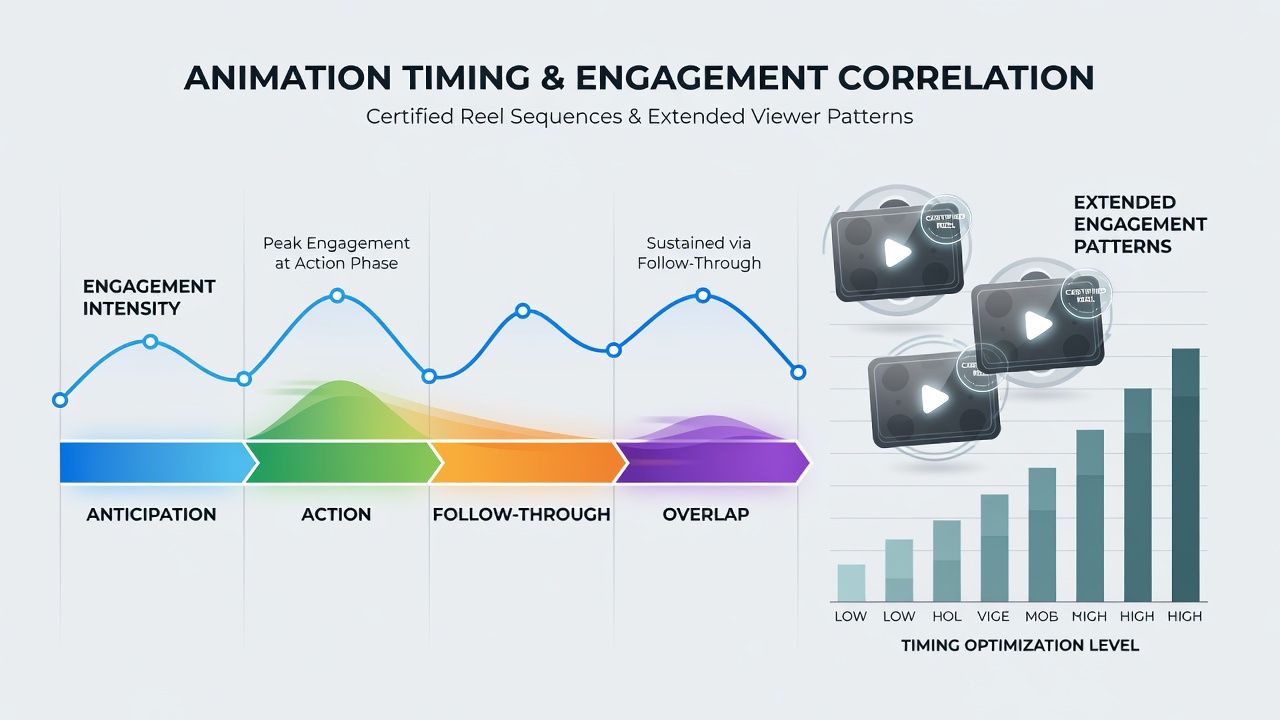
Reel sequences operate through layered frame rates that determine spin acceleration, deceleration phases, and final symbol alignment, while certification bodies verify these timings against predefined tolerance ranges that prevent manipulation yet allow creative pacing variations across different game titles. Observers note that shorter intervals between symbol landings often produce quicker perceived feedback loops, whereas extended pauses before the last reel settles create anticipation effects documented in user retention logs from multiple operators.
Smartphone platforms introduce additional variables because screen refresh rates and processor loads vary between device models, so certified sequences incorporate adaptive timing scripts that adjust frame delivery based on hardware detection during each session start.
Engagement Data Patterns Across Devices
Industry reports compiled through mid-2026 reveal that sequences featuring staggered stop timings between 120 and 180 milliseconds correlate with average session extensions of 14 to 22 percent on verified Android and iOS handsets when compared against uniform timing baselines. Researchers tracking anonymized telemetry from certified platforms found that users encountering variable deceleration curves returned to those titles more frequently within seven-day windows, particularly on devices running at 90Hz or higher refresh rates.
One analysis of European mobile wagering data highlighted how timing synchronization with touch response latency produced higher completion rates for bonus trigger sequences, because the visual rhythm aligned more closely with natural user input patterns observed during portrait mode play.
Certification Standards and Timing Constraints
Certification pathways require animation code to pass algorithmic randomness verification alongside visual timing audits, which means developers submit detailed frame logs that regulators cross-reference against live test environments on representative smartphone hardware. These processes ensure that timing adjustments do not compromise outcome fairness while still permitting designers to fine-tune pacing for different regional player demographics.
Platforms operating under multiple jurisdictions maintain separate certified builds that adapt timing parameters to local technical requirements, and records from June 2026 show increased adoption of modular timing libraries that allow single codebases to serve diverse device ecosystems without repeated full recertification cycles.
Smartphone-Specific Implementation Factors
Verified smartphone environments demand animation sequences that account for variable network conditions during live dealer integrations and reel-based features, so timing buffers prevent visual stuttering when symbol updates arrive from remote servers. Data indicates that sequences incorporating predictive pre-loading of final reel frames reduced perceived lag complaints by measurable margins on both 5G and LTE connections across tested regions.
Device-specific optimizations further refine these patterns because flagship models handle complex easing curves more efficiently than mid-range handsets, leading operators to deploy tiered animation profiles that maintain consistent engagement signals regardless of hardware tier.
Observed Correlations in Retention Metrics
Longitudinal tracking across verified platforms demonstrates that titles employing graduated timing ramps in reel sequences sustain higher minute-per-session averages, particularly when the final reel deceleration phase extends by controlled increments that match documented user attention thresholds. Studies conducted by independent research groups link these adjustments to repeat visit rates rather than single-session spikes, suggesting the timing influences longer-term habit formation within certified environments.
Cross-platform comparisons further illustrate that iOS devices exhibit stronger responses to micro-timing variations under 50 milliseconds, while Android handsets show more pronounced engagement lifts from broader interval shifts, a distinction attributed to differing graphics pipeline behaviors confirmed through controlled testing.
Conclusion
Animation timing within certified reel sequences functions as a measurable variable that aligns with extended engagement metrics on verified smartphone platforms, supported by telemetry gathered through June 2026 and validated through ongoing certification reviews. Continued monitoring of these correlations allows operators to refine frame delivery parameters while preserving compliance across evolving device standards and network conditions.