How Digital Transaction Speed Affects Participation Rates in Portable Reel-Based and Dealer-Led Activities
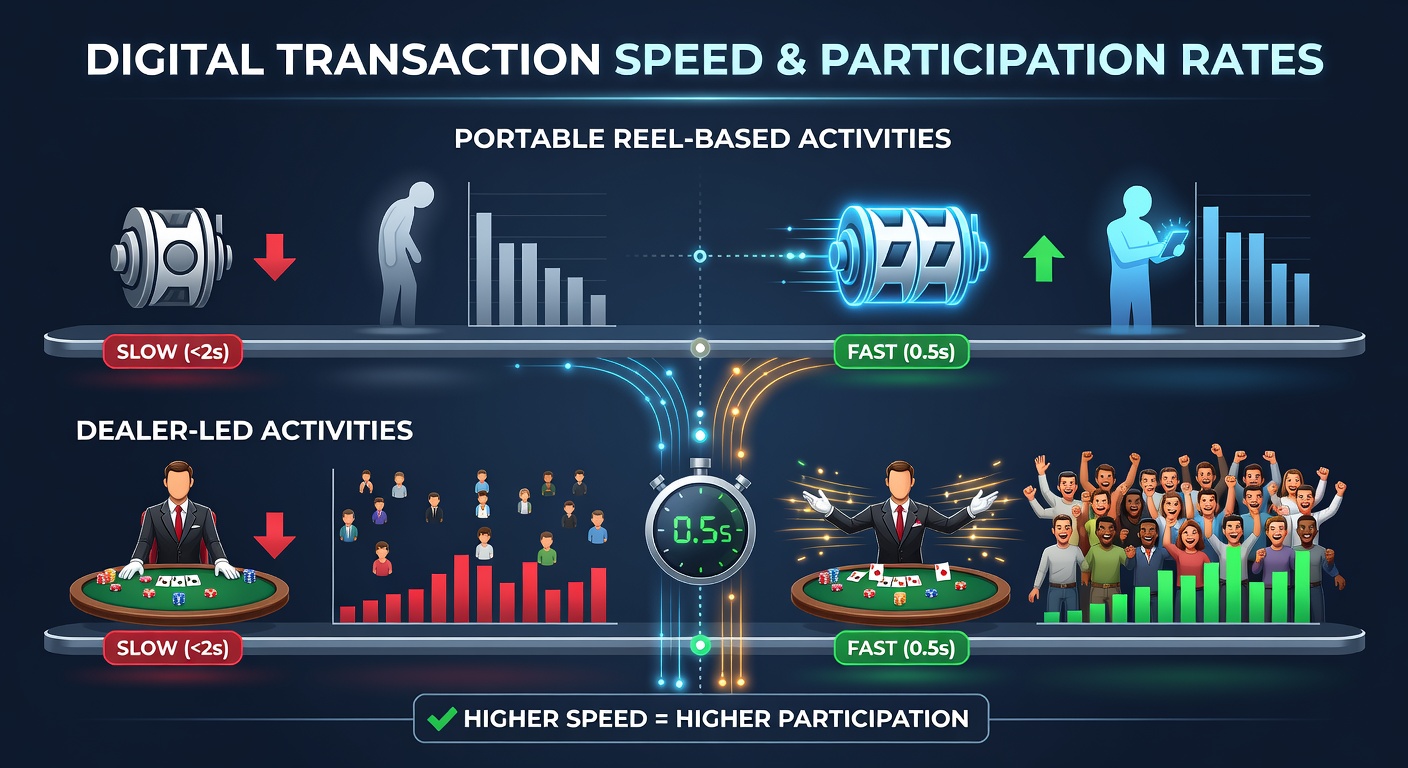
Digital transaction speed plays a measurable role in how users engage with portable reel-based activities and dealer-led sessions on mobile platforms, where delays in deposits or verifications often correlate with lower continuation rates according to industry analyses. Portable reel-based activities include digital slot games that run on smartphones and tablets, while dealer-led formats feature live-hosted table games streamed in real time. Observers note that platforms processing payments in under ten seconds tend to retain higher volumes of active sessions compared to those requiring thirty seconds or more, particularly during peak evening hours in May 2026.
Transaction Processing in Mobile Gaming Environments
Reel-based activities on portable devices rely on seamless funding mechanisms because players frequently initiate multiple short sessions throughout the day, and any friction in e-wallet transfers or cryptocurrency confirmations interrupts that pattern. Data from regulatory filings show that platforms integrating instant verification layers recorded participation increases of up to twenty-two percent in the first quarter of 2026, whereas slower systems experienced stagnation or declines. Dealer-led activities add another layer because live tables operate on timed rounds, so users who encounter deposit delays often exit before the next shuffle or card deal begins.
Impact on Reel-Based Participation
Studies conducted across North American markets indicate that transaction latency directly influences session length in reel-based games, with users abandoning carts when processing exceeds fifteen seconds in roughly thirty-eight percent of attempts. Researchers at academic institutions tracking mobile behavior found that integration of near-instant payment rails, such as those offered by certain regional processors, boosted repeat logins by measurable margins. In contrast, systems requiring manual review steps saw participation drop during high-traffic periods, especially when combined with standard security protocols that add extra authentication layers.
Dealer-Led Session Dynamics and Speed Factors
Live dealer environments on portable devices demand synchronized timing between player actions and game progression, which means deposit speed becomes critical for maintaining engagement once a table opens. Figures released by European gaming authorities in spring 2026 highlighted that operators reducing average transaction time from forty-five seconds to eight seconds observed a seventeen percent rise in concurrent user counts for dealer-led tables. Those who've examined platform logs note that verification standards, when streamlined without compromising compliance, allow participants to join mid-round rather than waiting for the next cycle, thereby increasing overall table occupancy rates.
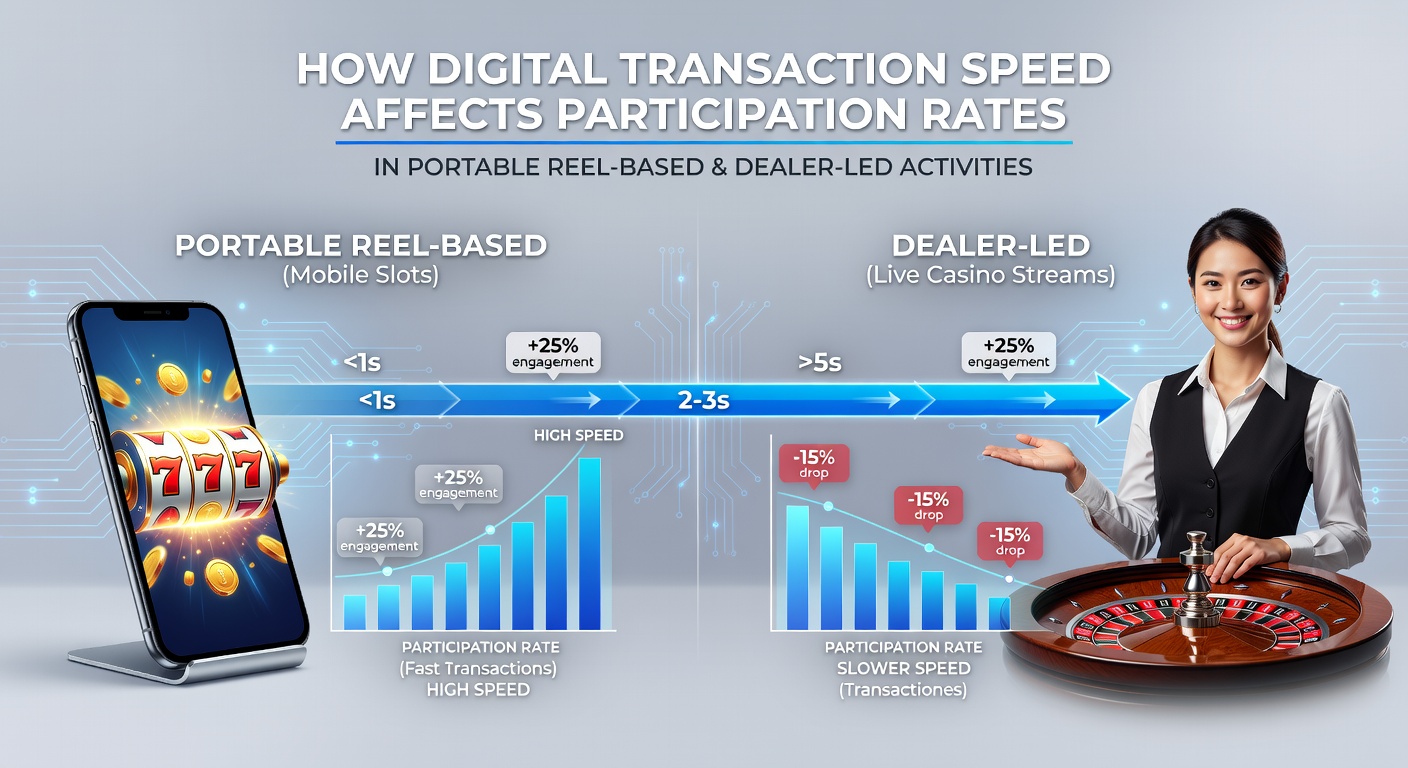
What's interesting here is how regional differences emerge, because markets with established digital banking networks process transfers faster than those still transitioning from legacy methods. Australian regulatory reports from the same period documented similar patterns, where faster e-wallet options correlated with sustained participation across both reel-based and dealer-led categories during evening windows. Observers tracking user flow point out that platforms offering one-click funding after initial setup maintain higher retention curves, particularly when users switch between game types within a single login period.
Verification Standards and Their Role in Access Rates
Security protocols that incorporate biometric or token-based verification often accelerate rather than hinder transaction flows once users complete initial setup, according to analyses from the Malta Gaming Authority. Data indicates that multi-factor systems integrated at the account level reduce subsequent delays, allowing participants quicker entry into reel-based spins or dealer-led rounds. Yet platforms that apply uniform heavy verification on every deposit experience measurable attrition, with exit rates climbing when processing stretches beyond twenty seconds on mobile networks.
Geographic and Platform Variations Observed in 2026
North American operators reporting to state-level bodies recorded stronger participation lifts in jurisdictions that permitted rapid digital wallet linkages compared to those maintaining stricter per-transaction reviews. In May 2026, several platforms updated their systems to align with new efficiency benchmarks, resulting in documented upticks for portable sessions across both activity types. Researchers comparing pre- and post-update metrics found that dealer-led tables benefited more noticeably because live pacing leaves less room for interruptions than automated reel cycles.
Industry organizations such as the American Gaming Association have compiled aggregate figures showing transaction speed as one consistent variable among platforms that sustain elevated mobile engagement levels year over year. Meanwhile, reports from the Malta Gaming Authority emphasize that balanced approaches combining speed with compliance continue to support broader access without elevating risk profiles. Those patterns hold across different device types, though smaller screens sometimes amplify the perceived impact of any added loading time.
Conclusion
Evidence gathered through 2026 demonstrates clear connections between digital transaction speed and participation metrics in portable reel-based and dealer-led activities, where faster processing supports higher session volumes and longer engagement windows. Regulatory data and platform analytics together illustrate that verification efficiency, once optimized, contributes to sustained user flows without altering core game mechanics. As mobile infrastructure advances, the relationship between payment velocity and activity rates remains a measurable factor tracked by operators and oversight bodies alike.