How Verification Protocols Influence Bonus Utilization Rates Across Mobile Slot Platforms
Written by Cameron Walter · Aug 19, 2026
How Verification Protocols Influence Bonus Utilization Rates Across Mobile Slot Platforms
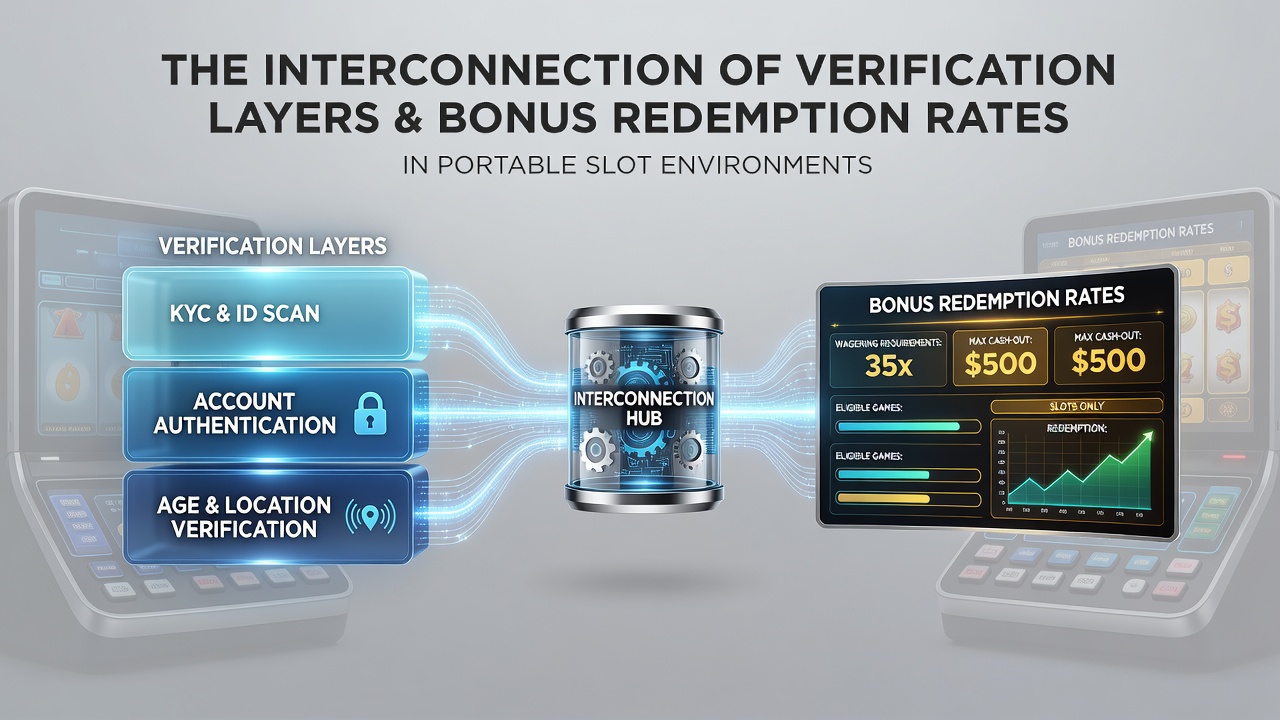
Data from multiple gaming jurisdictions shows that verification layers, including identity confirmation and account validation steps, directly affect bonus redemption rates in portable slot environments, with platforms reporting measurable differences based on the number and timing of checks required before players can access promotional funds. In August 2026 several operators updated their mobile systems to integrate real-time document scanning alongside standard email and phone verification, leading to shifts in how quickly users complete the process and claim bonuses tied to slot play.
Core Components of Verification in Mobile Slot Systems
Verification protocols typically begin with basic registration details and progress through advanced layers such as government-issued ID uploads, facial recognition matches, and sometimes address confirmation via utility bills or bank statements, each step designed to comply with regulatory standards set by bodies like the New Jersey Division of Gaming Enforcement. Studies conducted on user behavior indicate that platforms employing three or more sequential checks experience a gradual decline in bonus redemptions, as some users abandon the flow midway through the process while others complete it and proceed to wager the required amounts on certified slot titles.
Portable environments add another dimension because session continuity matters, with interruptions from network changes or device switches sometimes triggering re-verification prompts that delay access to bonus balances. Observers note that seamless integration of these layers through secure APIs reduces friction, allowing higher percentages of initiated redemptions to reach completion compared to fragmented systems that require manual follow-up.
Patterns in Redemption Data and Platform Metrics
Figures compiled across major mobile operators reveal that bonus redemption rates hover between 45 and 68 percent depending on teh depth of verification applied, with lighter initial checks correlating to quicker uptake followed by later-stage drop-offs once full compliance becomes necessary. Those who have analyzed retention patterns point out that users who pass verification on the first attempt tend to redeem bonuses at rates 20 percent higher than those who encounter multiple prompts, a trend consistent in both reel-based games and hybrid formats that blend slots with table elements.

What's notable is how timing interacts with these rates, because verification completed within the first 24 hours after registration often leads to sustained engagement windows, whereas delays beyond that period show reduced follow-through even when bonuses remain available. Research from the Victorian Commission for Gambling and Liquor Regulation highlights similar correlations in Australian mobile markets, where layered checks tied to responsible gambling tools influence not only redemption but also the average duration of play sessions funded by those bonuses.
Regulatory and Technical Intersections
Regulatory frameworks across regions require operators to maintain verifiable records of user identity before releasing promotional credits, creating a direct link between compliance infrastructure and the practical ability to redeem bonuses in portable settings. Technical implementations vary, with some platforms embedding verification into the deposit and bonus activation flow while others handle it as a separate account milestone, and data indicates the embedded approach yields steadier redemption figures over time.
Case examples from North American and European operators demonstrate that when verification layers incorporate biometric options alongside traditional document review, completion rates improve without sacrificing security thresholds, allowing more users to move from registration to active slot play funded by bonuses. This interconnection means that any adjustment to one layer, such as adding address verification or shortening document validity periods, can produce ripple effects visible in monthly redemption statistics reported to oversight agencies.
Conclusion
The relationship between verification layers and bonus redemption rates in portable slot environments rests on measurable interactions between regulatory compliance, user flow design, and platform performance data, with evidence from multiple jurisdictions confirming that the number, sequence, and integration of checks shape outcomes in predictable ways. Continued monitoring of these metrics supports refinements that align security requirements with accessible redemption pathways across mobile systems.