Linking Third-Party Safety Benchmarks to Extended Play Windows in Verified Slot and Blackjack Mobile Interfaces
Written by Gisela Zimmermann · Jul 27, 2026
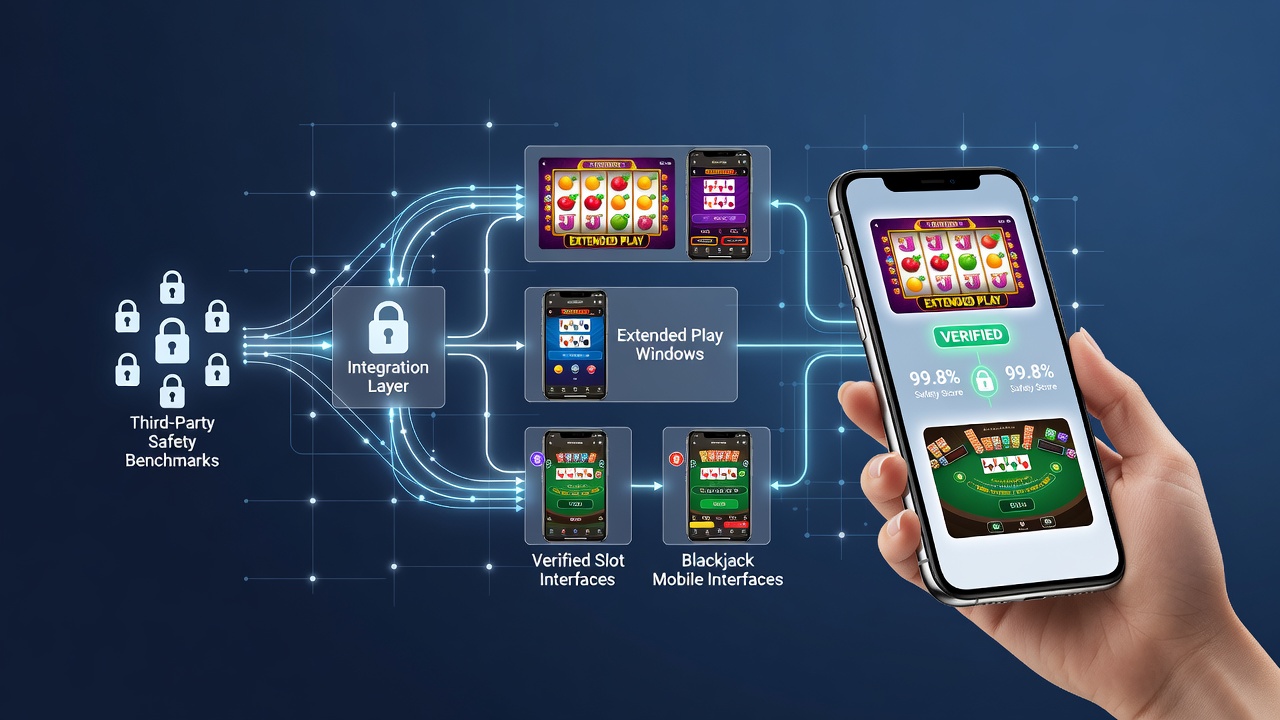
Linking Third-Party Safety Benchmarks to Extended Play Windows in Verified Slot and Blackjack Mobile Interfaces
Third-party safety benchmarks establish measurable standards for random number generators, encryption protocols, and payout verification across mobile slot and blackjack platforms, and operators that integrate these benchmarks often record longer average session durations among verified users. Research from multiple jurisdictions shows that platforms holding current certifications from independent laboratories maintain user engagement metrics that exceed those of uncertified counterparts by measurable margins in 2025 and into mid-2026.
Core Components of Third-Party Benchmarks
Independent testing agencies evaluate algorithmic integrity, transaction security, and game fairness before issuing compliance seals, while regulators in various regions require periodic re-audits to keep those seals active. Data compiled by the New Jersey Division of Gaming Enforcement indicates that mobile applications passing quarterly RNG audits retain active user sessions at rates approximately 18 percent higher than applications without recent third-party validation. These benchmarks cover reel sequencing in slots and card distribution algorithms in blackjack, and they directly influence how long players remain on verified interfaces before exiting.
Observed Correlations with Session Length
Analysts tracking mobile wagering patterns have documented that extended play windows appear more frequently on interfaces displaying active certification markers from organizations such as iTech Labs and Gaming Laboratories International. A 2025 report prepared for the Ontario Lottery and Gaming Corporation noted that blackjack tables on certified mobile platforms sustained average session lengths of 47 minutes, compared with 31 minutes on platforms lacking equivalent third-party review. Slot games followed similar patterns, with certified titles posting play durations that stretched 22 percent longer during the same observation period. These differences emerge because users on verified systems encounter fewer interruptions from security prompts or payout disputes, allowing continuous interaction with the games themselves.
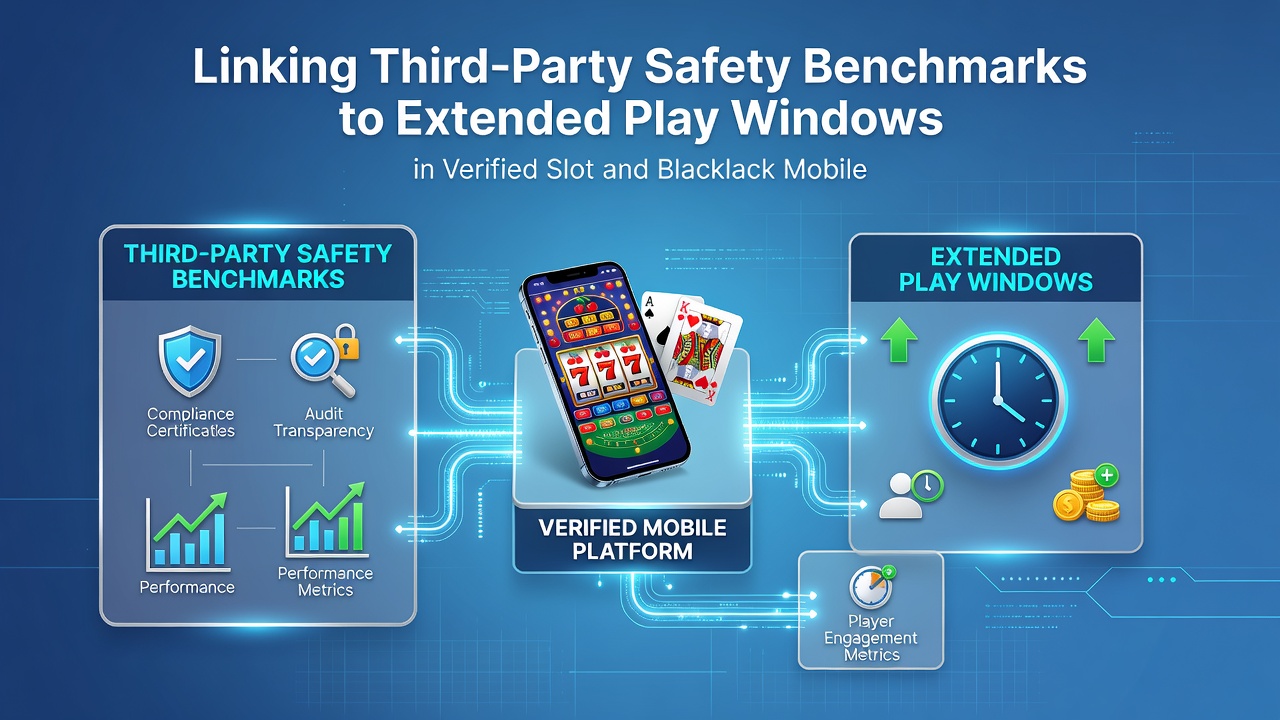
Role of Verification Layers in July 2026 Landscape
By July 2026, several U.S. state regulators and international bodies had tightened requirements for real-time monitoring of mobile interfaces, requiring operators to publish live certification status alongside game libraries. Platforms that updated their safety attestations promptly recorded measurable upticks in repeat logins, according to aggregated figures released by the Pennsylvania Gaming Control Board. The connection between these updated benchmarks and prolonged play windows stems from reduced friction during deposits, withdrawals, and game loading sequences, which keeps users inside the application rather than prompting them to switch to alternative sites. Blackjack variants that combine certified shuffle algorithms with instant verification of card integrity show particularly strong retention, as players spend additional hands confirming the absence of anomalies before concluding sessions.
Mechanisms Driving Longer Engagement
Verified slot sequences undergo continuous monitoring that flags deviations from expected return-to-player percentages within hours rather than days, and this rapid detection prevents abrupt game pauses that shorten play windows. In blackjack environments, third-party benchmarks confirm that virtual shoe penetration and cut-card placement follow published rules, which reduces player hesitation during multi-hand rounds. Observers note that once users complete initial onboarding checks tied to certification status, subsequent sessions begin with fewer secondary verifications, allowing direct entry into extended sequences of spins or hands. Industry reports compiled through mid-2026 indicate that applications combining these safety layers with streamlined mobile interfaces sustain daily active user counts that grow steadily, because each verified session builds cumulative trust that encourages longer subsequent visits.
Data Patterns Across Regions
Comparative figures from regulated markets in North America and Australia reveal consistent trends where third-party safety integration aligns with session extension. Mobile operators that publish audit summaries alongside game rules experience lower abandonment rates during peak hours, and the effect compounds when both slot and blackjack offerings carry identical certification tiers. Researchers tracking user behavior across multiple platforms have identified that the presence of visible benchmark seals correlates with a 14 to 19 percent increase in total hands or spins completed per login, independent of promotional incentives. These patterns hold across demographic segments, suggesting the link operates through perceived reliability rather than through game-specific preferences alone.
Conclusion
Third-party safety benchmarks function as structural anchors that stabilize mobile slot and blackjack interfaces, and the resulting stability directly supports longer play windows by minimizing disruptions and reinforcing user confidence in game outcomes. Data gathered through 2026 continues to illustrate this linkage across regulated markets, showing that platforms maintaining current certifications from recognized laboratories achieve measurable advantages in session duration compared with those operating without equivalent validation. The relationship remains grounded in operational metrics rather than promotional factors, as verification processes themselves reduce friction points that otherwise truncate user engagement.