Mapping Interconnected RNG Certification Pathways With User Retention Patterns in Remote Wagering Systems
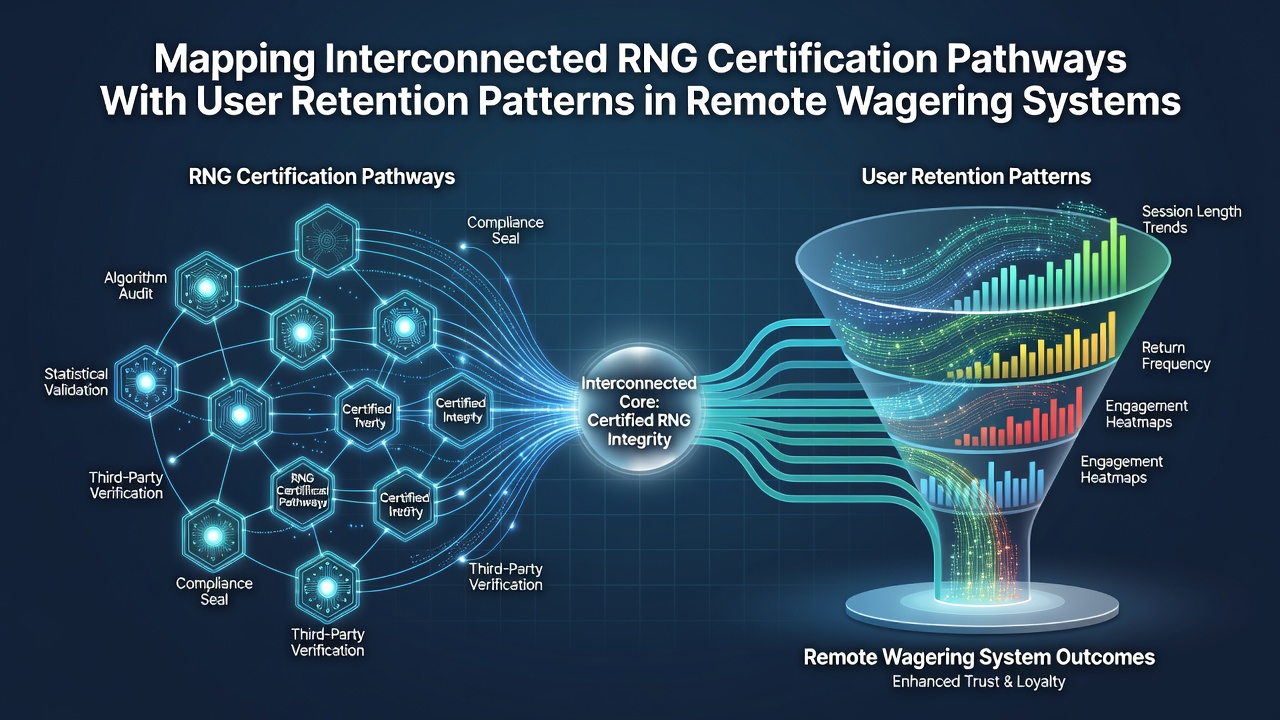
Remote wagering systems depend on Random Number Generator technology to ensure fair outcomes across slots, table games, and other digital offerings, while certification pathways establish the standards that operators must meet before launching or updating platforms. These pathways often link multiple testing laboratories, regulatory bodies, and software providers in sequences that determine how quickly new games reach players and maintain compliance over time.
Core Elements of RNG Certification Pathways
Certification begins with independent labs such as Gaming Laboratories International and iTech Labs evaluating RNG algorithms for statistical randomness, period length, and resistance to prediction, after which reports move to jurisdictional regulators for final approval. Interconnections arise when one jurisdiction accepts test results from another through mutual recognition agreements, allowing operators to reuse core certifications while adding region-specific reviews for payment integration and data security. Data from the New Jersey Division of Gaming Enforcement shows that streamlined pathways reduced average approval times by 18 percent between 2024 and 2026, enabling platforms to deploy updated titles more rapidly while preserving audit trails.
Tracking User Retention Through Certified Systems
User retention patterns emerge when platforms maintain consistent RNG performance across sessions, because players return more frequently to environments where game outcomes feel reliable and transparent. Studies from research institutions indicate that sites displaying current certification seals experience lower churn rates during the first 30 days after registration, particularly when those seals cover both RNG modules and live dealer integrations. Observers note that retention metrics climb further when certification updates coincide with feature rollouts such as progressive jackpots or personalized game recommendations, since players associate fresh content with ongoing regulatory oversight.
Interconnections Between Certification Maps and Retention Data
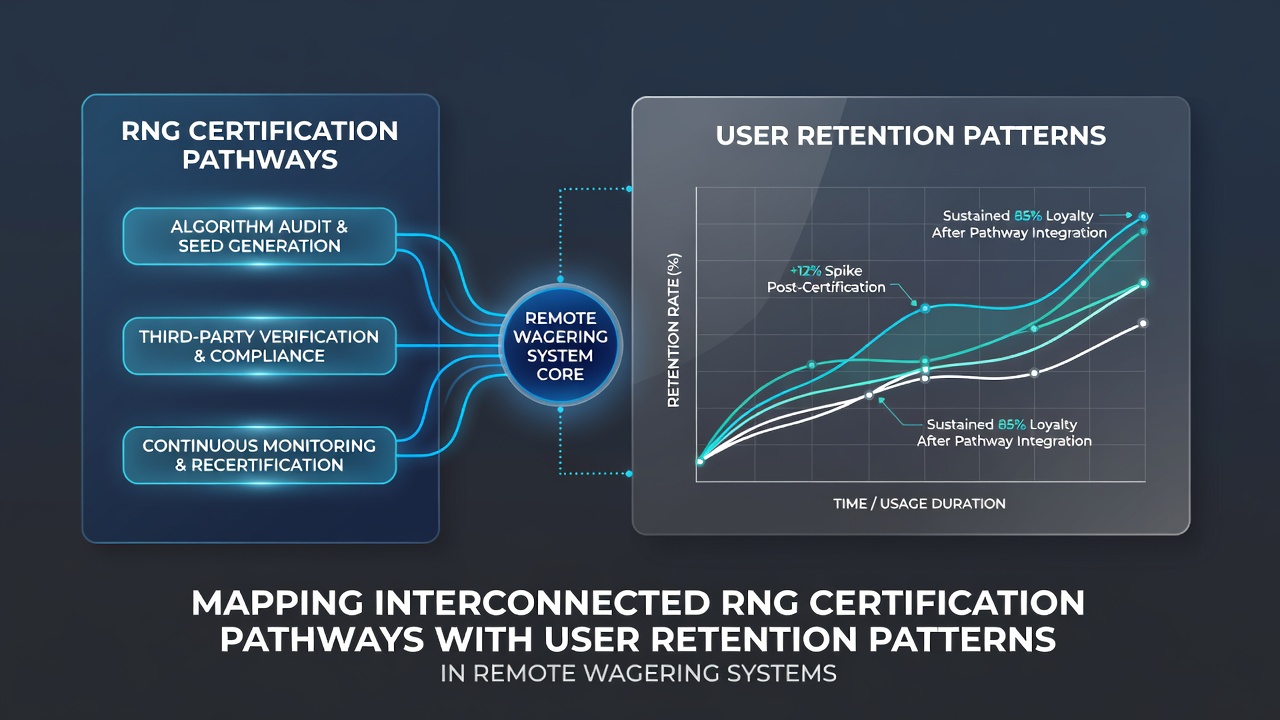
Mapping these pathways reveals feedback loops where retention statistics influence future certification priorities, for instance when high player drop-off rates prompt regulators to require additional entropy testing on RNG seeds used in bonus rounds. In June 2026 several North American and European jurisdictions began sharing anonymized retention datasets tied to specific certification versions, allowing labs to correlate particular RNG configurations with session length and repeat visit frequency. One analysis conducted by an academic team at a Canadian university found that games certified under multi-jurisdictional pathways retained 12 percent more users over six months compared with single-jurisdiction approvals, largely because faster update cycles kept content aligned with player preferences.
Regional Variations and Data Sources
European frameworks often emphasize continuous monitoring after initial certification, whereas certain U.S. states focus on pre-launch validation followed by quarterly audits, yet both approaches feed into the same retention analytics dashboards used by operators. Figures released by the Malta Gaming Authority in early 2026 highlighted that platforms undergoing annual RNG re-certification maintained steadier month-over-month active user counts, while those relying on older certificates saw gradual declines after major software patches. Industry reports further demonstrate that linking certification status directly to player accounts allows support teams to flag potential issues before they affect long-term engagement metrics.
Practical Mapping Techniques Used by Operators
Operators construct visual maps that trace each RNG module from lab submission through regulatory sign-off and into live deployment, overlaying these routes with retention heatmaps segmented by game type and player cohort. When certification delays occur in one region, teams can reroute traffic to jurisdictions with faster pathways, preserving overall user activity levels while the pending review completes. This approach has become standard among larger remote wagering networks because it converts static compliance documents into dynamic tools that forecast how certification timelines will affect daily active users and lifetime value calculations.
Conclusion
The mapping of interconnected RNG certification pathways against user retention patterns provides operators and regulators with measurable connections between compliance processes and player behavior, supported by data from multiple jurisdictions and research bodies. Continued sharing of anonymized metrics across regions is expected to refine these models further, allowing certification sequences to align more closely with the operational realities that sustain long-term engagement in remote wagering environments.