Mapping Interoperability Standards Among Payment Gateways Serving Multi-Jurisdictional Gaming Operators
Written by Gisela Zimmermann · Jun 22, 2026
Mapping Interoperability Standards Among Payment Gateways Serving Multi-Jurisdictional Gaming Operators
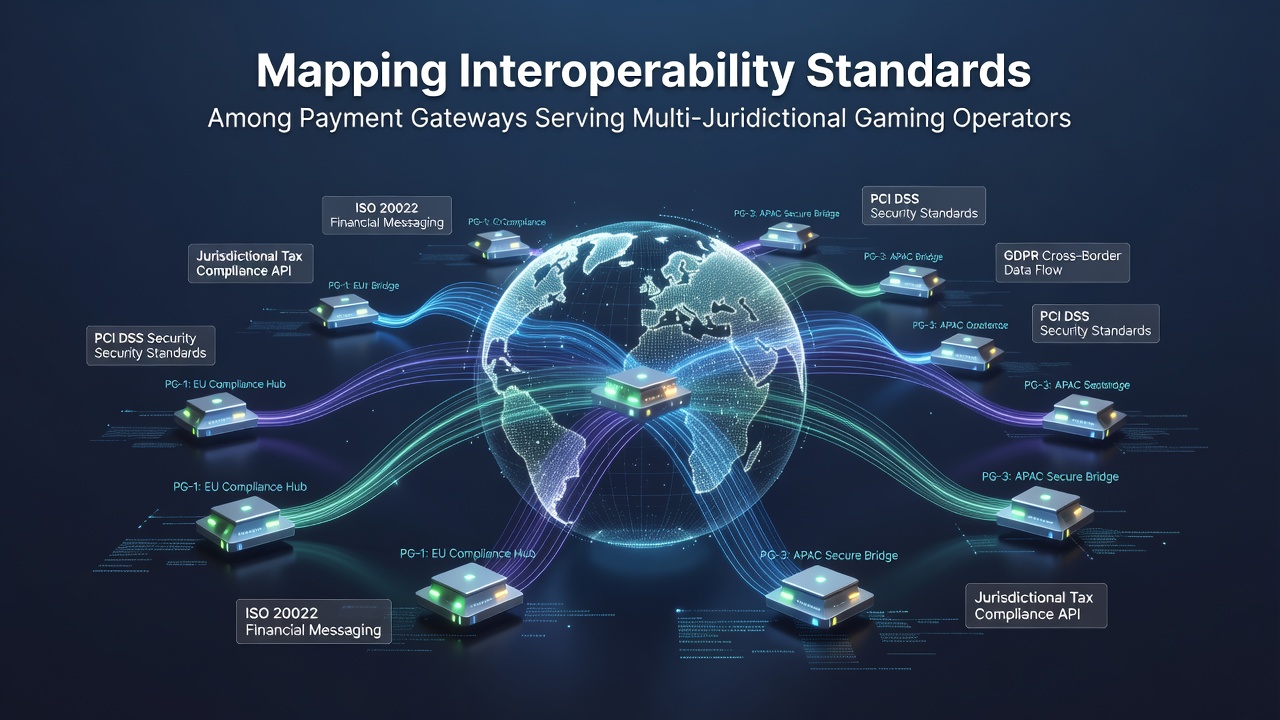
Operators managing gaming platforms across borders face a complex web of payment requirements that demand precise coordination between systems. Interoperability standards provide the framework that allows gateways to process transactions consistently while meeting diverse regional rules on data security, currency conversion, and compliance reporting. These standards emerge from collaborative efforts among technology providers, financial institutions, and oversight bodies that track evolving transaction patterns in real time. Payment gateways serving these operators must align with protocols that support seamless data exchange. Core elements include standardized message formats such as ISO 20022, which defines structured data fields for payment instructions, and application programming interfaces that enable direct connections between different processing networks. Research from international financial bodies shows that adoption of these formats reduces reconciliation errors by up to 40 percent in cross-border environments.Core Technical Standards in Use
Technical specifications form the backbone of gateway operations for multi-jurisdictional setups. The Payment Card Industry Data Security Standard outlines encryption and access controls that gateways apply uniformly, while regional variations require additional layers such as tokenization specific to certain markets. Observers note that operators often implement modular architectures where core processing remains consistent but compliance modules adjust for local mandates like those issued by the European Central Bank or the Australian Transaction Reports and Analysis Centre.
Gateways also incorporate real-time monitoring tools that flag transactions against watch lists maintained by multiple authorities simultaneously. Data indicates these tools operate most effectively when gateways share common audit trails that regulators from different regions can review without custom reformatting.
Regulatory Mapping Across Regions
Mapping exercises reveal distinct clusters of requirements. In North American markets, gateways must accommodate state-level licensing alongside federal anti-money laundering rules enforced by agencies such as FinCEN. European operators navigate the revised Payment Services Directive alongside national gaming commissions that impose separate reporting cycles. Australian frameworks emphasize responsible gambling checks integrated directly into payment flows, creating another set of data fields that systems must handle.
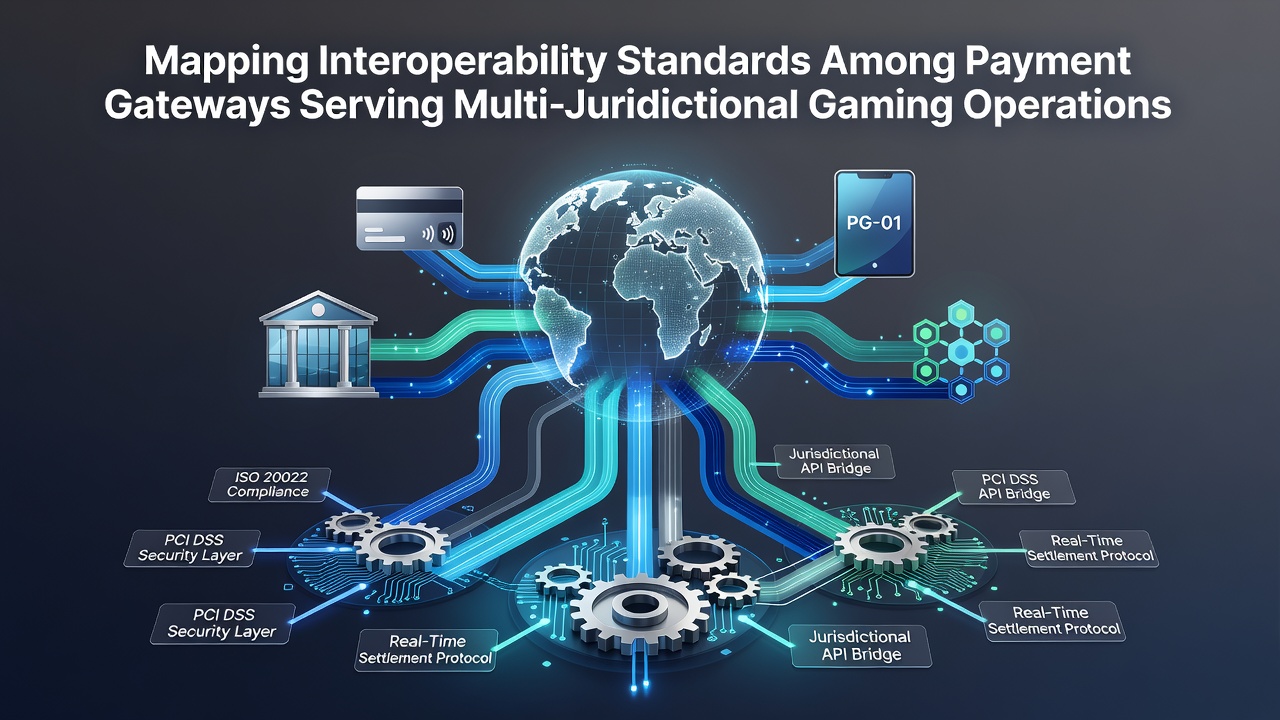
One documented approach involves creating jurisdiction-specific rule engines that sit atop a shared processing core. These engines reference updated regulatory databases maintained by industry groups, allowing gateways to apply the correct verification sequence without rebuilding the entire transaction pipeline. Figures from 2025 deployments show that such engines cut integration timelines by several months when operators expand into new territories.
Challenges in June 2026 Implementations
By June 2026, several operators reported completing upgrades to support instant settlement features across additional jurisdictions. These upgrades rely on interoperability test suites developed through partnerships between gateway providers and standards organizations. Test results demonstrate that gateways passing multi-region certification handle higher volumes during peak periods without introducing latency that could affect user sessions.
Yet coordination gaps persist where one jurisdiction updates its encryption requirements faster than others. Operators address this through phased rollouts that prioritize markets with the strictest timelines while maintaining fallback modes for slower-adopting regions. Industry reports highlight that successful mappings depend on continuous dialogue between technical teams and regulatory contacts who supply advance notice of pending changes.
Future Directions for Gateway Ecosystems
Emerging work focuses on embedding machine-readable compliance metadata directly into transaction messages. This allows downstream systems to validate adherence automatically rather than through manual review cycles. Pilot programs conducted in 2025 and extending into mid-2026 show promise for reducing audit preparation time across operators active in five or more jurisdictions.
Continued refinement of these standards will likely draw input from both established financial networks and newer digital asset platforms that gaming operators now integrate. The result is an expanding map of compatible pathways that support secure, verifiable payments while respecting each region's distinct oversight structure.
Conclusion
Interoperability standards continue to evolve as operators expand their geographic reach and regulators refine their expectations. Successful mappings combine technical consistency with flexible compliance layers that accommodate regional differences without sacrificing processing speed or security. Those tracking these developments observe steady progress toward unified yet adaptable frameworks that serve the needs of multi-jurisdictional gaming environments.