Navigating Digital Currency Transfers for Protected Live-Hosted Card Sessions on Portable Devices: Examining Verification Standards and Platform Reliability Metrics
Written by Cameron Walter · May 22, 2026
Navigating Digital Currency Transfers for Protected Live-Hosted Card Sessions on Portable Devices: Examining Verification Standards and Platform Reliability Metrics
Digital currency transfers have gained traction in protected live-hosted card sessions on portable devices, and researchers tracking payment trends note that these methods support faster access while requiring strict verification layers to maintain platform integrity. Observers report that users on smartphones and tablets often complete transactions through blockchain networks, yet the process demands attention to security protocols that align with regional gaming regulations.
Understanding Digital Currency Integration in Mobile Live Sessions
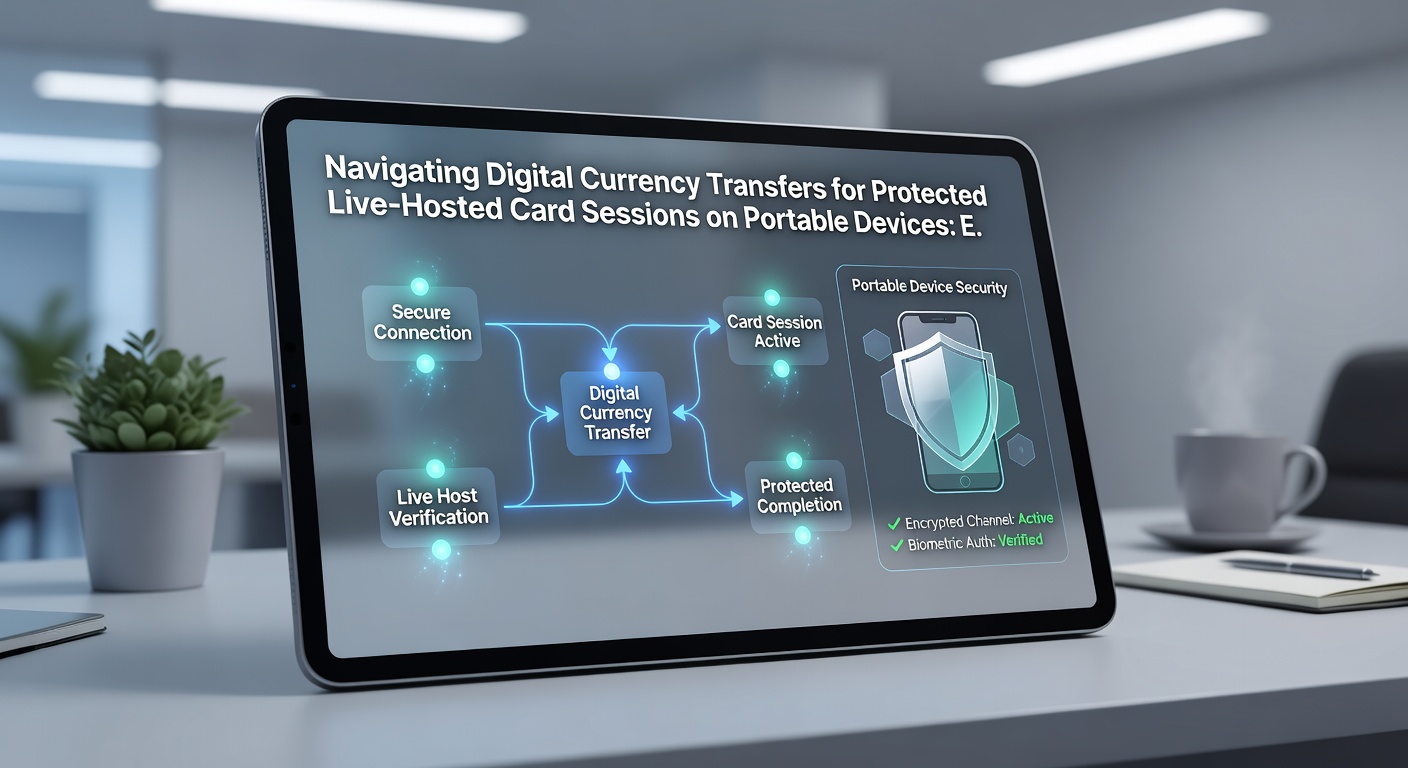
Live-hosted card sessions on portable devices rely on real-time connections to dealers, and digital currencies such as stablecoins or cryptocurrencies facilitate deposits and withdrawals by bypassing traditional banking delays. Data from industry reports indicate that transaction confirmation times average under five minutes on optimized mobile networks, although network congestion can extend that window during peak hours. Experts observe that platforms hosting these sessions implement wallet address whitelisting to reduce exposure to unauthorized transfers, and users who verify their device through biometric checks gain quicker entry to tables.
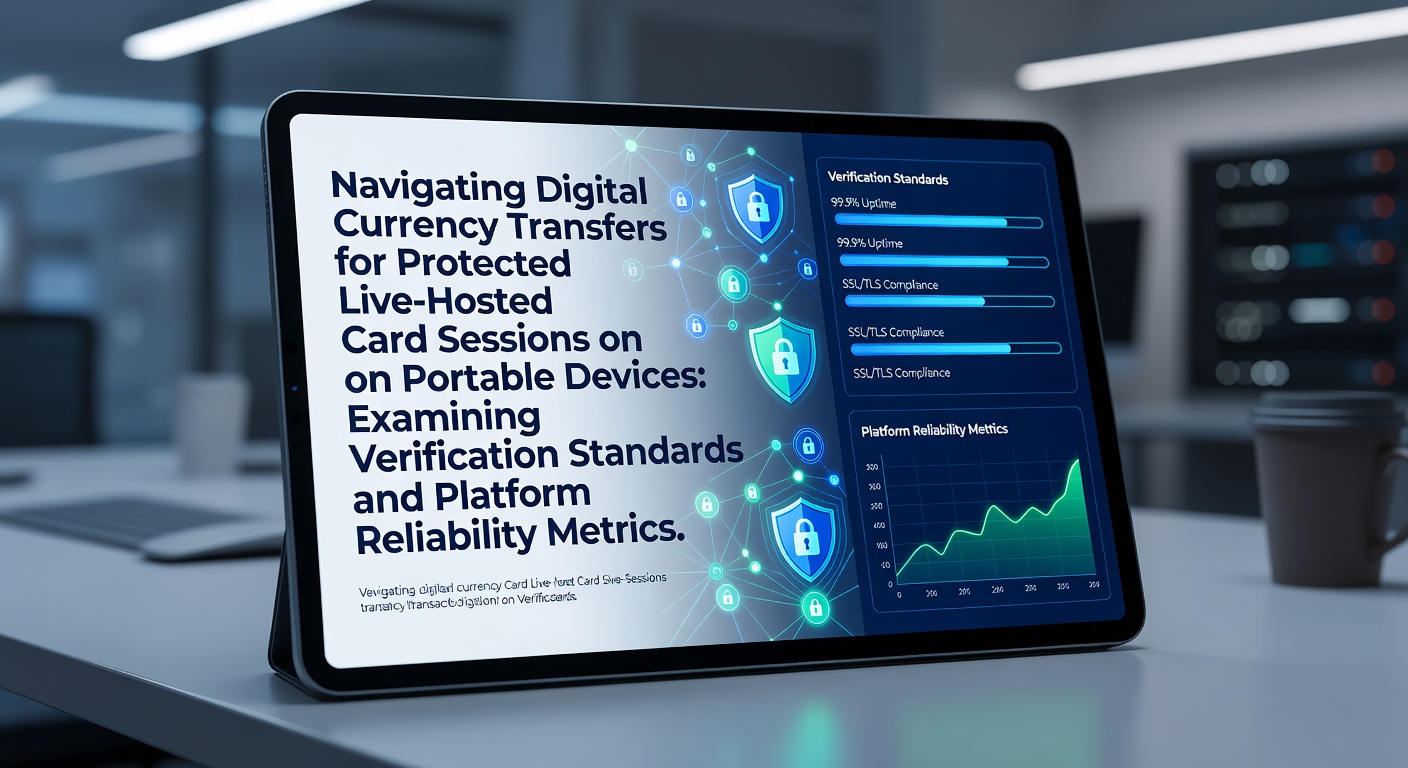
Platform operators track reliability through metrics like uptime percentages and average transaction success rates, with many systems reporting figures above 99.5 percent in quarterly audits conducted as of May 2026. Those who've studied these patterns find that reliability improves when platforms partner with established blockchain providers that maintain redundant nodes across multiple regions.
Verification Standards and Compliance Requirements
Verification standards for digital currency transfers include multi-step identity confirmation that combines government-issued documents with blockchain analytics tools. Research indicates that platforms apply anti-money laundering checks by scanning wallet histories for patterns flagged in public ledgers, and users must often complete these steps before accessing live card environments. According to guidelines from the National Council on Problem Gambling, such layers help isolate high-risk transfers while preserving user privacy through encrypted data channels.
Portable devices introduce additional considerations, since mobile operating systems vary in their support for hardware security modules that store private keys. Observers note that platforms conducting regular penetration tests achieve higher compliance scores, and those metrics influence user trust scores published in independent reviews. Take one operator who integrated automated verification scripts in early 2026; their reported false-positive rate for suspicious transfers dropped by nearly 30 percent within two months.
Platform Reliability Metrics and Performance Indicators
Reliability metrics encompass server response times, transaction throughput, and recovery speed after outages, while platforms publish these figures to demonstrate operational stability. Figures reveal that top-performing services maintain sub-second latency for deposit confirmations on 5G networks, although older devices may experience slight delays during peak live session traffic. Studies found that incorporating multi-signature wallet requirements adds an extra security tier without significantly impacting transfer speeds for most users.
But here's the thing: not every platform publishes raw data in the same format, which makes direct comparisons challenging. Analysts at research institutions such as the European Gaming and Betting Association recommend reviewing third-party audit summaries that cover both uptime and cryptographic protocol strength. Those who've examined these reports often discover that platforms using cold storage for reserve funds show lower incidence of transfer interruptions during high-volume periods.
Practical Navigation Steps for Users on Portable Devices
Users begin by selecting a platform that supports their preferred digital currency and confirms compatibility with mobile operating systems. Once registered, they link a verified wallet through QR code scanning or manual address entry, then complete any pending identity checks before initiating transfers. Data shows that enabling push notifications for transaction status updates helps users monitor progress without remaining glued to the screen during live card sessions.
Security features such as time-limited session tokens and device fingerprinting further protect transfers, and platforms that update these controls regularly demonstrate stronger resilience against emerging threats. People often find that testing small transfers first reveals any hidden fees or confirmation delays that could affect larger amounts later.
Conclusion
Digital currency transfers for protected live-hosted card sessions on portable devices continue to evolve alongside verification standards and reliability metrics that platforms refine through ongoing audits. Evidence suggests that users who understand these elements can complete transactions with greater confidence, while operators maintain compliance by aligning with regional requirements and publishing transparent performance data. As developments unfold through 2026, the focus remains on balancing speed, security, and accessibility across mobile environments.