Tracing Funding Option Influences on Duration of Participation in Interactive and Automated Casino Offerings
Written by Gisela Zimmermann · Jul 29, 2026
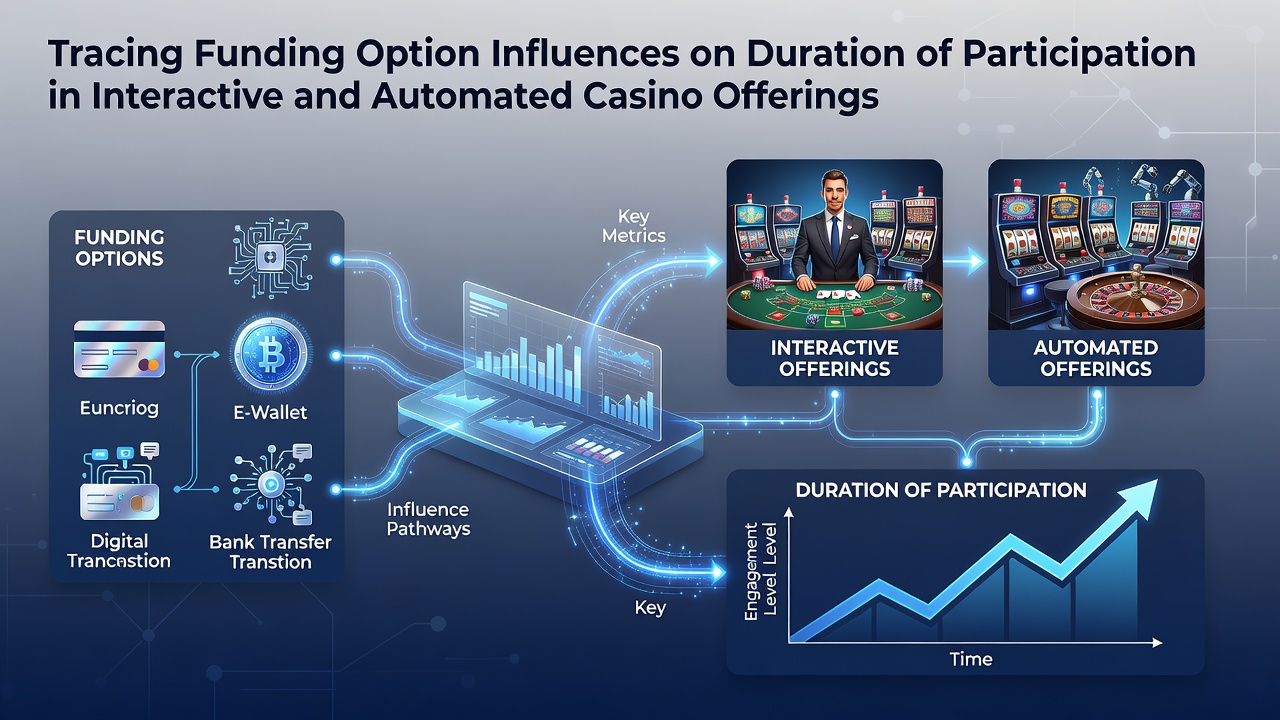
Tracing Funding Option Influences on Duration of Participation in Interactive and Automated Casino Offerings
Payment methods available to participants shape engagement patterns across both live dealer environments and automated reel sequences, with transaction speed, verification requirements, and fee structures creating measurable differences in session duration. Data compiled through 2026 shows that funding choices correlate directly with how long individuals remain active in remote wagering systems, particularly when comparing interactive card tables to standalone slot platforms.
Payment Categories and Their Structural Role
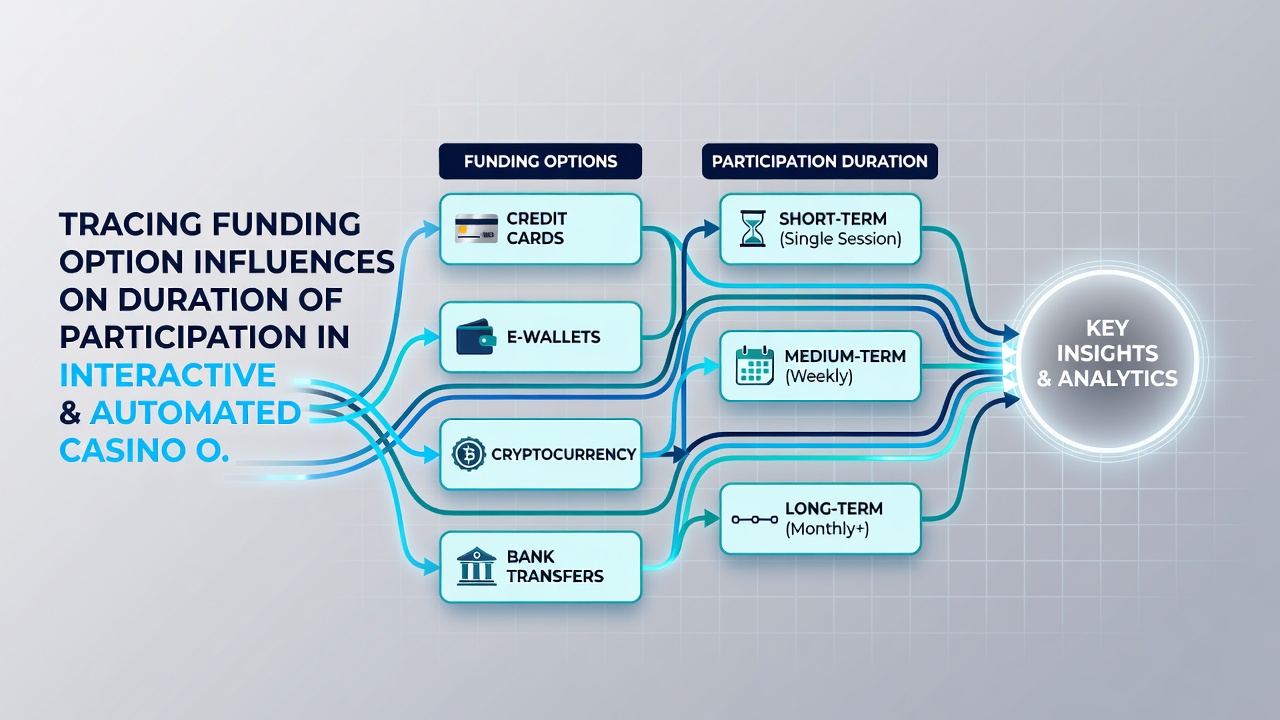
Traditional bank transfers, digital wallets, prepaid vouchers, and emerging cryptocurrency channels each carry distinct processing timelines that influence entry points into casino ecosystems. Researchers tracking participation metrics note that instant funding routes such as certain e-wallets reduce friction at the deposit stage, allowing quicker transitions into live dealer sessions where real-time interaction demands continuous balance availability. In contrast, slower clearance methods extend the interval before play begins, which data indicates can shorten overall duration once activity starts because participants often adjust their time commitment based on initial wait periods.
Interactive Live Dealer Environments
Live-hosted tables require sustained connectivity and immediate fund access for betting rounds, and studies of platform logs reveal that participants using high-speed digital wallets maintain longer continuous sessions compared with those relying on card-based reloads that trigger additional authorization steps. According to figures released by the New Jersey Division of Gaming Enforcement, e-wallet funded accounts in regulated markets recorded average session extensions of 18 to 27 minutes during peak evening hours through mid-2026. Verification layers attached to each funding type further modulate this effect, because multi-factor checks on cryptocurrency transfers sometimes interrupt momentum at live tables while automated verification on established wallets preserves flow.
Automated Reel-Based and RNG Offerings
Slot sequences and other algorithm-driven games operate without human pacing, yet funding method still affects participation length through reload frequency and minimum deposit thresholds. Observers examining retention data find that prepaid voucher users tend toward shorter, more fragmented play windows because balance top-ups require separate transactions, whereas integrated wallet systems support seamless micro-deposits that extend engagement across multiple game rounds. Platform analytics compiled in July 2026 demonstrate that cryptocurrency options correlate with extended streaks in automated environments, largely due to lower per-transaction costs that encourage repeated small additions rather than single large deposits.
Geographic regulatory variations add another dimension, since jurisdictions impose differing rules on acceptable funding sources that in turn shape available options and resulting participation patterns. Platforms operating under multiple licenses must adapt verification protocols accordingly, and those adaptations influence how quickly users from various regions can sustain activity in either live or automated formats.
Observed Patterns Across Funding Types in 2026
Longitudinal tracking of account activity indicates that digital wallet dominance continues to grow, with associated session durations lengthening in both interactive and automated categories as processing speeds improve. A report issued by the Australian Gambling Research Centre highlights that participants combining wallet funding with automated low-value reload features recorded the highest cumulative play minutes per week across verified mobile interfaces. Meanwhile, traditional card methods remain prevalent yet associate with more variable session lengths because authorization delays sometimes prompt users to exit earlier than planned.
Cross-platform comparisons further illustrate that interactive dealer tables benefit more from instant funding than automated games do, since live environments penalize interruptions more heavily. Data sets collected through the first half of 2026 show this divergence widening as operators introduce funding-specific promotions that reward faster transaction methods with extended play incentives.
Conclusion
Funding option characteristics continue to map onto measurable differences in how long individuals stay engaged with interactive dealer tables and automated reel sequences. Transaction velocity, verification overhead, and cost structures each contribute distinct effects that platform operators and regulators monitor through ongoing data collection. As new payment channels emerge, these relationships will require continued examination to understand their precise influence on participation duration across remote wagering formats.