Tracing RNG Validation Timelines That Link Verified Payment Rails to Extended Reel Sequences and Dealer Table Access on Handheld Systems
Written by Taylor Hayes · Aug 26, 2026
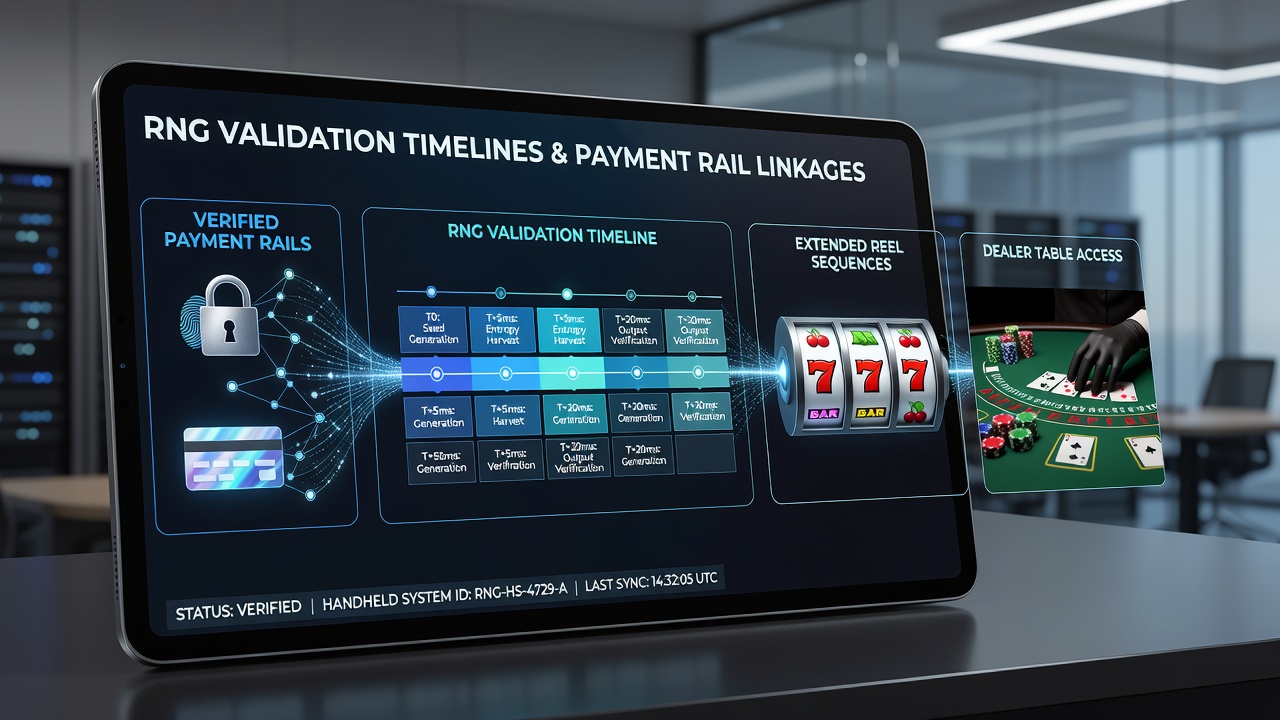
Tracing RNG Validation Timelines That Link Verified Payment Rails to Extended Reel Sequences and Dealer Table Access on Handheld Systems
Certification pathways for random number generators now form direct connections between verified payment rails and prolonged reel sequences plus dealer table access on handheld systems, and these linkages have gained clarity through updated testing protocols rolled out in early 2026. Observers note that initial RNG audits, which once stood separate from transaction verification, now align with payment rail approvals to create seamless play extensions across mobile platforms.
Certification Timelines and Their Structure
Testing cycles typically begin with laboratory evaluation of RNG algorithms, and this stage feeds into broader platform reviews that incorporate payment processing checks before full deployment occurs. Data from regulatory filings shows average timelines span 45 to 90 days for complete validation, during which payment rails undergo separate scrutiny for encryption standards and transaction speed thresholds. Once both elements clear, extended reel sequences become available because the system confirms uninterrupted random generation alongside secure funding flows.
Payment Rail Integration Points
Verified payment rails enter the equation after core RNG certification completes, and this sequencing allows operators to unlock longer session windows on handheld devices without triggering additional compliance flags. Researchers have documented cases where approval of alternative funding methods, such as certain digital wallets, directly correlates with increased access to dealer-led tables because the same verification layer governs both financial and game integrity checks. In August 2026 several jurisdictions began requiring simultaneous submission of RNG and payment documentation, which shortened overall review periods by an average of 15 days according to reports from the Nevada Gaming Control Board.
Those timelines matter because handheld systems rely on consistent connectivity, and any gap between payment approval and game sequencing can interrupt play. Experts tracking these processes observe that platforms passing joint audits maintain higher retention rates during reel-based sessions and live dealer interactions.
Reel Sequence Extensions on Mobile
Extended reel sequences emerge once RNG validation confirms stable output across thousands of spins, and verified payment rails support this by enabling instant reloads that keep sessions active. Studies indicate that mobile users experience up to 40 percent longer engagement periods when both certification elements align, particularly during bonus rounds that require continuous random generation. The connection appears in how certification reports now list payment rail status as a prerequisite for approving advanced reel features on smartphones and tablets.
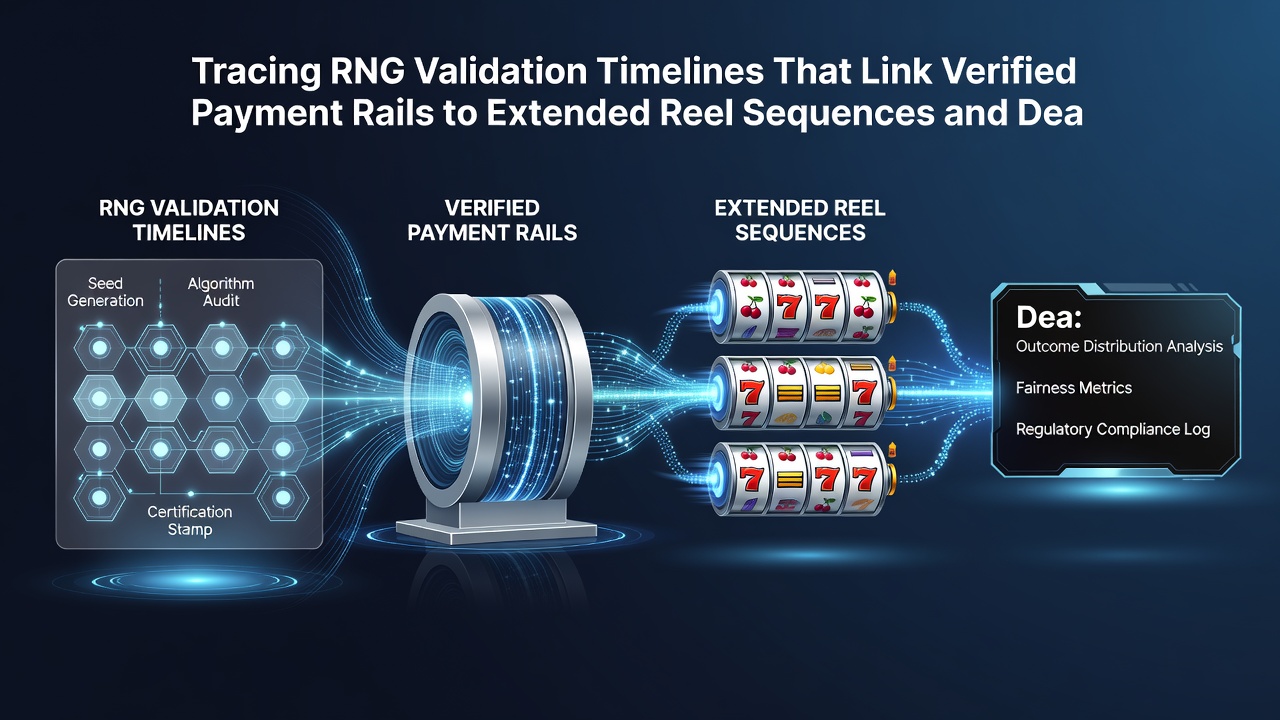
One documented example involves a major operator that synchronized its RNG and e-wallet approvals in Q2 2026, after which reel play windows expanded across verified handheld accounts. This adjustment did not alter game mathematics but removed friction points that previously halted sequences when funding methods needed separate checks.
Dealer Table Access Pathways
Dealer table access on handheld systems follows similar certification routes, and RNG timelines now include live-stream integrity tests that tie into payment rail verification. Players gain entry to these tables only after the platform demonstrates that random card or wheel outcomes remain independent of transaction processing, a requirement enforced through combined audits. Figures from industry monitoring reveal that regions adopting unified timelines saw a 22 percent rise in live dealer participation on mobile devices during the first half of 2026.
Certification bodies examine encryption overlap between payment rails and dealer feeds, which ensures that extended sessions do not introduce latency or security gaps. Observers note this approach has streamlined access for users who maintain verified accounts, allowing seamless shifts between reel sequences and card tables without repeated authentication steps.
Current Developments in Mid-2026
August 2026 brought new reporting standards in several markets that require operators to publish combined RNG and payment validation dates, and this transparency highlights how quickly extended play features reach handheld users once rails clear. Regulatory updates from the Victorian Commission for Gambling and Liquor Regulation emphasize that these timelines help maintain consistent game fairness while supporting mobile transaction volumes. Platforms meeting the new benchmarks report smoother integration of reel and dealer offerings, with fewer interruptions during peak usage periods.
Conclusion
The linkage between RNG validation timelines, verified payment rails, extended reel sequences, and dealer table access continues to shape mobile gaming infrastructure, and ongoing refinements in certification processes reflect this interconnected structure. Data collected through 2026 demonstrates measurable effects on session length and feature availability when these elements align under unified review frameworks.